

2026 shopping predictions: AI meets authenticity (and everyone wins)
The polished playbook is dead. The messiest, most human brands are winning.
A founder in pajamas speaks direct-to-camera, confessing her brand’s biggest mistake. A behind-the-scenes TikTok reveals the unglamorous business of running a brand. Loyalty programs feel special, personal.
Something is definitely shifting in the way brands speak to their audiences. No more scripts, filters, or one-size-fits-all marketing.
“2026 is the year of the normal person,” says marketing strategist, Grace Clarke. “Brands are finding more ways to engage with real people in a genuine way. It’s about finding ways to encourage your community to talk about the products, sort of optimizing for the group chat and not the public Instagram story.”
The days of throwing money at every marketing problem are over. What’s replacing it is messier, weirder, and way more interesting. It’s an unexpected movement at a time when AI has become ubiquitous. Agentic commerce is already here—happening right inside AI conversations—and is changing everything about how we discover and shop. Maybe the “normal people” are showing up just in time?
The smartest brands are already planning for this dual reality: adopting AI to amplify discovery and frictionless checkout in chats while making their front-facing content more human than ever. The ones that strike the right balance are about to win your wallets!
So what does this human-AI shopping evolution look like in practice? Here are our six predictions for what’s coming to your shopping bag in 2026.
Your loyalty program is about to get personal
Loyal customers are going to get rewarded big time. Brands clamoring for your repeat business will start offering meaningful perks that go beyond points. They’re responding to a shift in brand loyalty that dropped from 34% to 29% between 2024 and 2025.
Hair brand Ouai is planning to reward customers for Instagram comments, product reviews, and literally just wearing their merch in photos.
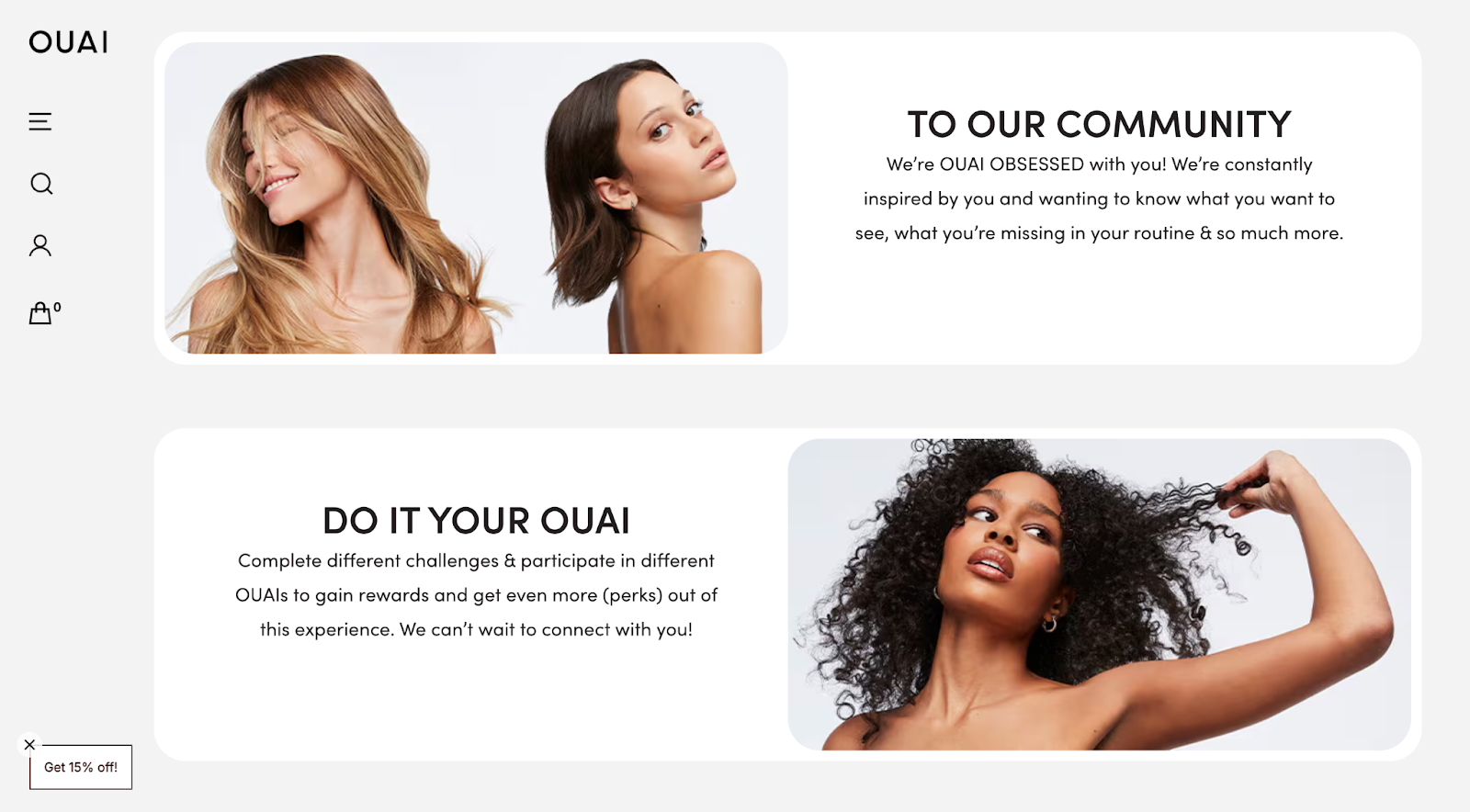
“The gamification of loyalty is something that we’re excited about,” says Ouai CEO Hannah Beals, teasing an upcoming launch that will reward fans who love a specific product. “We’ve handpicked everyone on our website who has bought something in that fragrance already, and we’re going to do something personalized and high-touch for all the customers we know love the scent.”
Brands can’t just assume you’ll stick around anymore. They have to earn it every single time.
IRL is the new URL
Parasocial relationships no more—you’re about to get IRL intimate with your favorite brands and creators.
Kitchenware brand Hedley & Bennett is doubling down on in-person experiences in 2026 addressing digital fatigue founder Ellen Bennett sensed in her customers.
“I think people are craving in-person experiences in a real way,” she says. “Doing things where we’re helping people become better in their craft, whether it’s classes or connecting with pros, is bridging the gap between our home cooks and our pro cooks.”
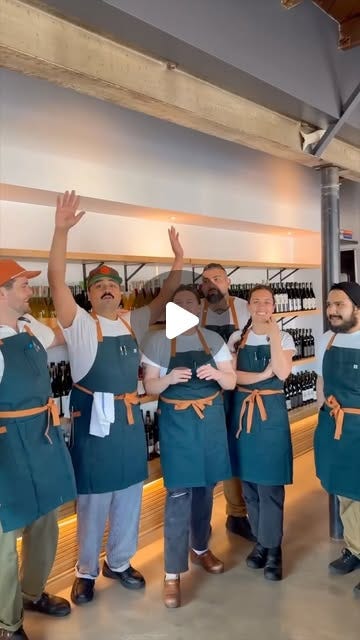
AI has transformed shopping as we know it but it can’t replace IRL experiences. “As we start to use AI as a thought partner and a way to up-level ourselves, in-person experience becomes not just more soul-filling, but genuinely fun and surprising,” says Grace. “It’s the place we go for novelty and to feel understood.”
Who’s driving this throwback to IRL culture? Young people. Gen Z pulled Y2K into the present, not just by bringing back its fashion but also analog devices and tactile experiences. Younger generations are more interested in low-key, micro events where they can meaningfully connect with others.
Beauty brands are launching innovative pop-up experiences. Yoga wear stores are hosting fitness classes. A surf shop doubles as a cafe. The 90s could never.
Creators are taking control. It’s about time.
Sponsored content from influencers outperforms brands’ own posts 83% of the time. It’s compelling data. We predict 2026 will the year brands stop micromanaging and let creators actually create.
“You’re seeing this with a lot of the big YouTubers, where they really control the content and the output,” says Kimberly Kreuzberger, founder of Pivot Projects agency. “It’s less about inserting talent into a campaign and more about finding a blend of the creative direction of that talent.”
Plus, 21% of influencers say creative control influences whether they’ll work with a brand. Give creators freedom, get better results.
This is great news for fans: Branded and sponsored content will feel less like an ad and more authentic to the influencers they love.
Our attention spans are healing
Slow food, slow fashion, slow… social?
Skincare brand Sonsie posted a 1-minute-39-second TikTok video of Pamela Anderson tending to her garden and sharing tips. It’s leisurely, cinematic, and completely ignores the supposed eight-second attention span rule. And it worked, garnering over 140k views.

 Tiktok failed to load.
Enable 3rd party cookies or use another browser
“I am loving this trend of what’s being referred to as ‘slow content,’” says Sonsie CEO Kailey Bradt. “People are watching these videos, and they’re sharing them not even knowing what the brand is.” Audiences are starting to engage with longer, more aesthetically rewarding content on TikTok, and she’s seen this firsthand.
Here’s the psychology behind it: “The longer we have with one thought, the more likely we are to take an action because of it—because we’re motivated, not stressed out,” Grace explains. Resonance drives purchases more than quick hits of attention.
It remains to be seen how brands without famous founders will fare with long form content on channels like TikTok. Regardless of length, branded social content is moving in the direction of offering value to audiences beyond just selling.
You’re calling the shots now
Shoe brand Golden West Boots cofounder Michael Petry says customer feedback has become more powerful than traditional market research.
“In the past, bigger brands would dictate what the trends were, and they were able to sort of push that narrative on people,” he says. “That has sort of gone away … [now] you take a lot more feedback directly from the consumer.”
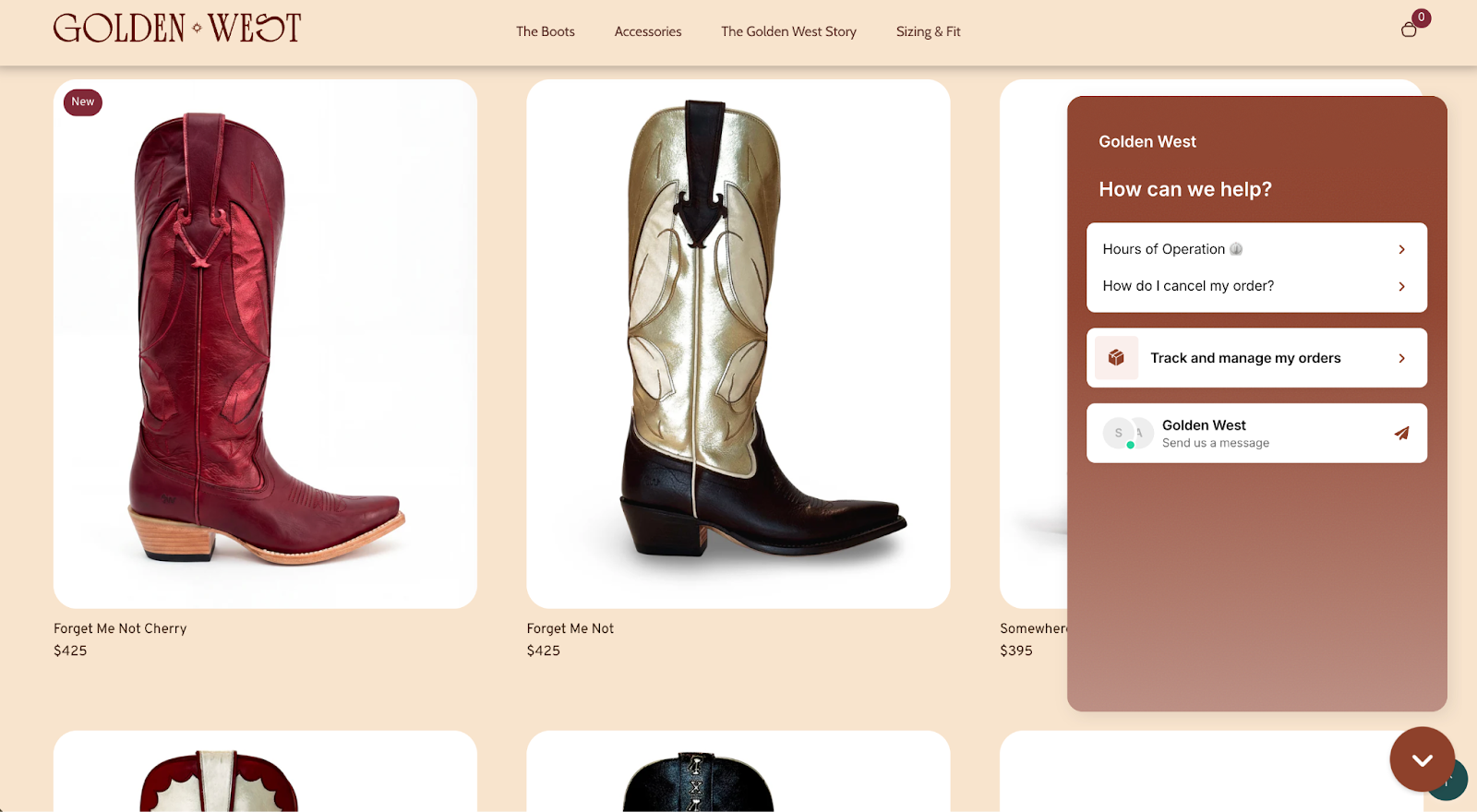
When brands respond to messages, 89% of customers are more likely to purchase because they feel considered and heard. “Feedback is where the consumer has more power and sway over you than they used to, and I think that’s great,” Michael adds.
This allows brands to do marketing with a wink. “Consumers now know what marketing is, and they don’t mind,” she says. “We’re all sort of breaking the fourth wall, saying, ‘We made this thing; I hope you like it.’”
The takeaway? Don’t skip the post-purchase survey. Brands are paying attention when you ask for more shipping options or new color variants.
AI is going to break everything (and fix it)
Paul Tran, founder of grooming brand Manscaped, predicts a change in the way people discover: “I believe there’s going to be a paradigm shift over the next couple of years. Consumers’ exploration of new products will be really disrupted by AI.”
Instead of SEO, brands will optimize for large language models (LLMs). “It’s about being authentic and having quality products because these large language models amass so much data that you can’t really spoof it,” he says.
Meanwhile, design studio Otherhalf sees opportunity in AI’s limitations. “AI becomes a tool that creates a higher baseline,” says cofounder Jamil Bhuya. “The people who are doing authentic, creative work are going to be valued more.”
Agentic commerce is improving discovery and reducing friction when you shop, but it’s also letting brands shift focus to their customers, courting you with unique experiences and personalized perks.
When AI does the work, personality wins the game
These trends paint a clear picture: 2026 will reward the brands that keep it real. Grace captures it perfectly: “Anything that a brand does should be a little off. It’s actually safer for a brand to do something distinct and kind of weird because that is going to be more memorable and get people’s attention.”
As shoppers, we’re entering an era where AI streamlines discovery and checkout while the brands we fall for will be the ones with actual personalities. Your favorite brands in 2026 will be the ones brave enough to show you who they really are.
This story is based on reporting by Yara Simón. For more expert tactics for growing your brand in 2026, read the original article on the Shopify Blog.