

They said the problem didn't exist. Then I watched them take a sledgehammer to it.
How REBEL's founder turned an industry's dirty secret into a returns recommerce platform processing 75,000+ items a week
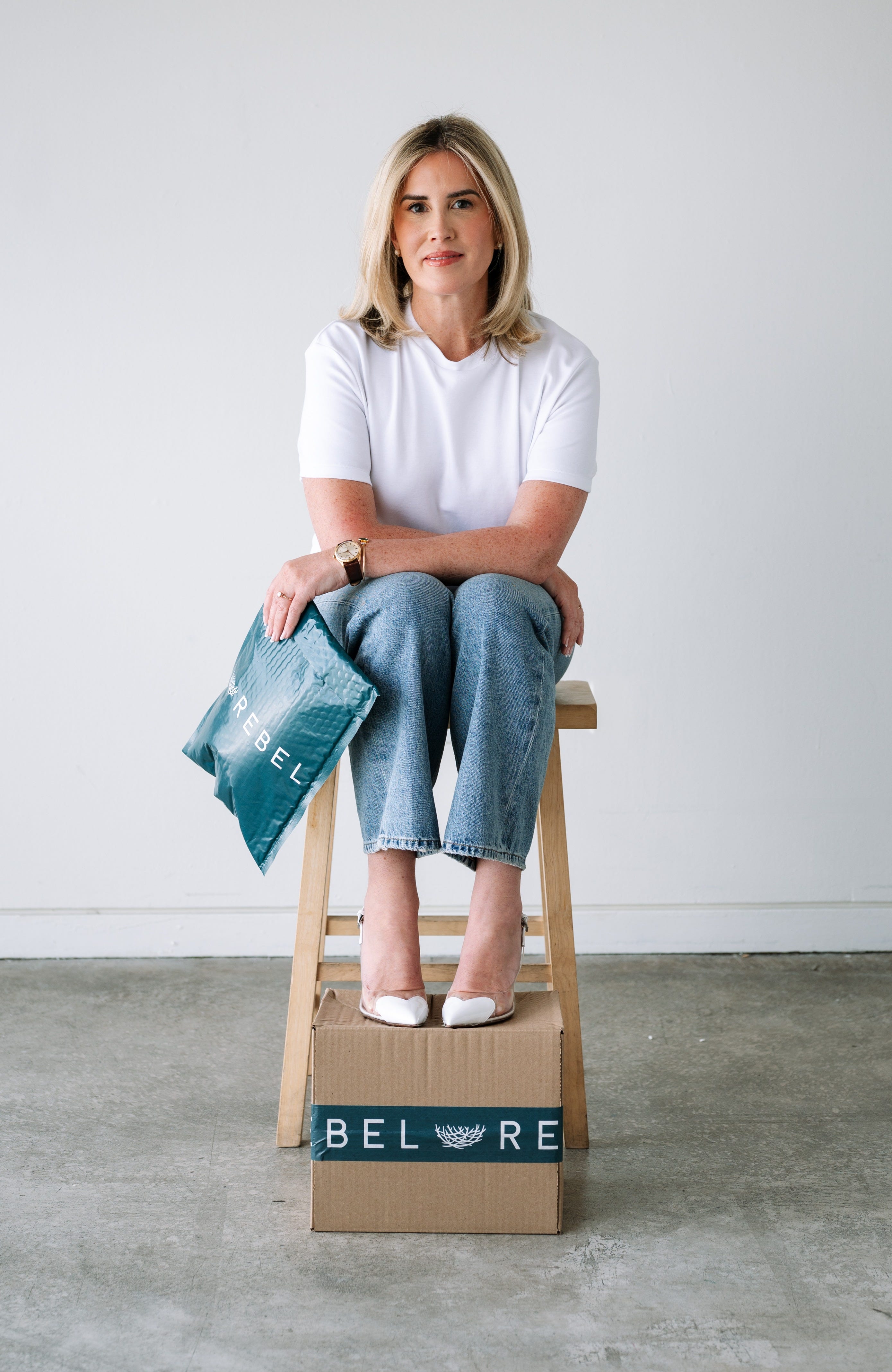
By Emily Hosie, founder of REBEL
It was 2018, a few months after my first child arrived, and I was on the lookout for baby gear deals. I’d spent my career in off-price retail. I understood how excess inventory moved through the system, and I knew how critical a value channel strategy was for brands. But no matter where I looked, I couldn’t find deals on open-box, never-used baby gear anywhere.
At the same time, I was reading headlines that retail returns were on track to becoming a trillion-dollar problem, with return rates hitting 15 to 20 percent across categories. How was the baby industry not being affected?
I talked to anyone I could find in the industry. The majority said the same thing: “We do not have a return problem. Our return rate is less than 1%.” But the math didn’t add up, and it bothered me that I couldn’t get a truly straight answer. I felt confident I had a solution for a problem the industry refused to admit it had. So, I founded REBEL, a returns recommerce platform built to turn what brands were throwing away into a net-new revenue stream.
I started attending trade shows, where most people wouldn’t talk to me. We were a tiny startup at that point. And returns recommerce (the process of recovering and reselling returned inventory rather than sending it to landfill) was a nonexistent and misunderstood product category. Our business didn’t fit neatly into full price retail, off-price overstock, liquidation, or resale. I was building something in between, which made most people uncomfortable because it didn’t fit into their existing playbook. It implicitly asked them to rethink a practice they’d never before had to question.
On the last day of one industry show, I stayed late after the crowds had cleared. Booths were being dismantled. The conversations that mattered were apparently already over, and I felt defeated. That’s when I noticed a nursery company taking down their display. Instead of packing it up, they were taking a sledgehammer to it. Literally.
As the wood splintered across the concrete floor, it clicked. That’s how you get a less than one percent return rate. You don’t process the returns. You just throw them into landfills.
To be fair, the baby gear industry is highly regulated and operates under real pressure. Safety isn’t negotiable, therefore no brand wants a returned product back in circulation if there’s any chance it’s been compromised. However, this meant perfect and never-used returned products were being written off not because they were unsafe, but because no one had built the technology required to inspect returns for recommerce at mass scale. So, REBEL did!
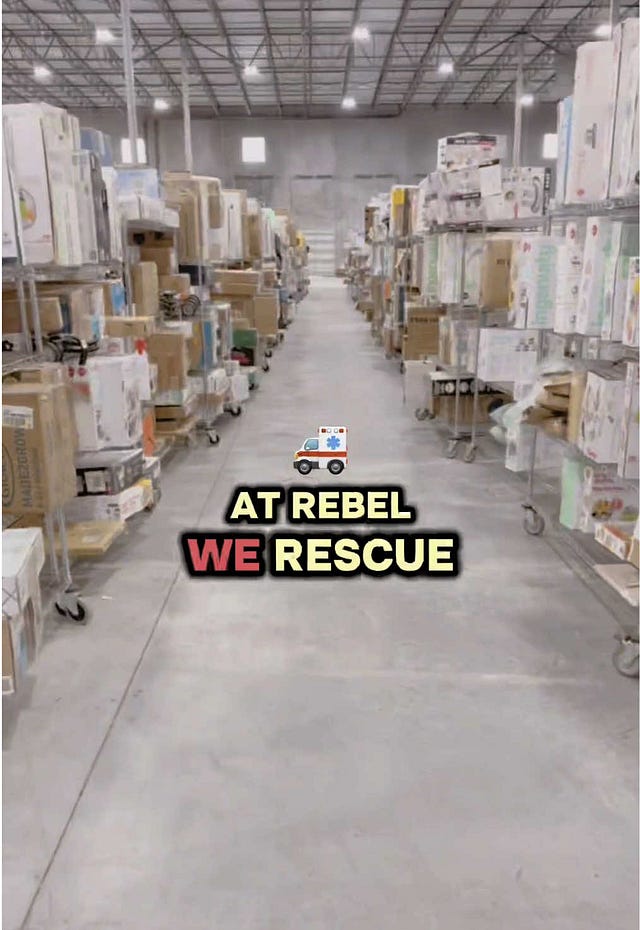
 Tiktok failed to load.
Enable 3rd party cookies or use another browser
When we began pitching our solution, I imagined it would be obvious: make a net new revenue stream instead of paying to discard perfectly-good returns into landfills. What’s not to like? Turns out, what had been done for decades was comfortable for most brands and retailers. Not many were interested in trying our solution.
So we figured it out without them. Craig, my husband, quit his job to go all in with me. We ran the whole operation out of our basement, proving ourselves to the few small clients who gave us a shot. That’s how we scraped our way to our first million in revenue.
Our turning point came in 2022, when the tech market crashed and our lead investor backed out weeks away from closing our seed funding round. But, that connection introduced us to one of the largest returns management tech companies, who linked us to a mass retailer heading into bankruptcy — and suddenly, a mass brand was genuinely open to letting us divert their baby gear returns away from landfills and into our platform instead.
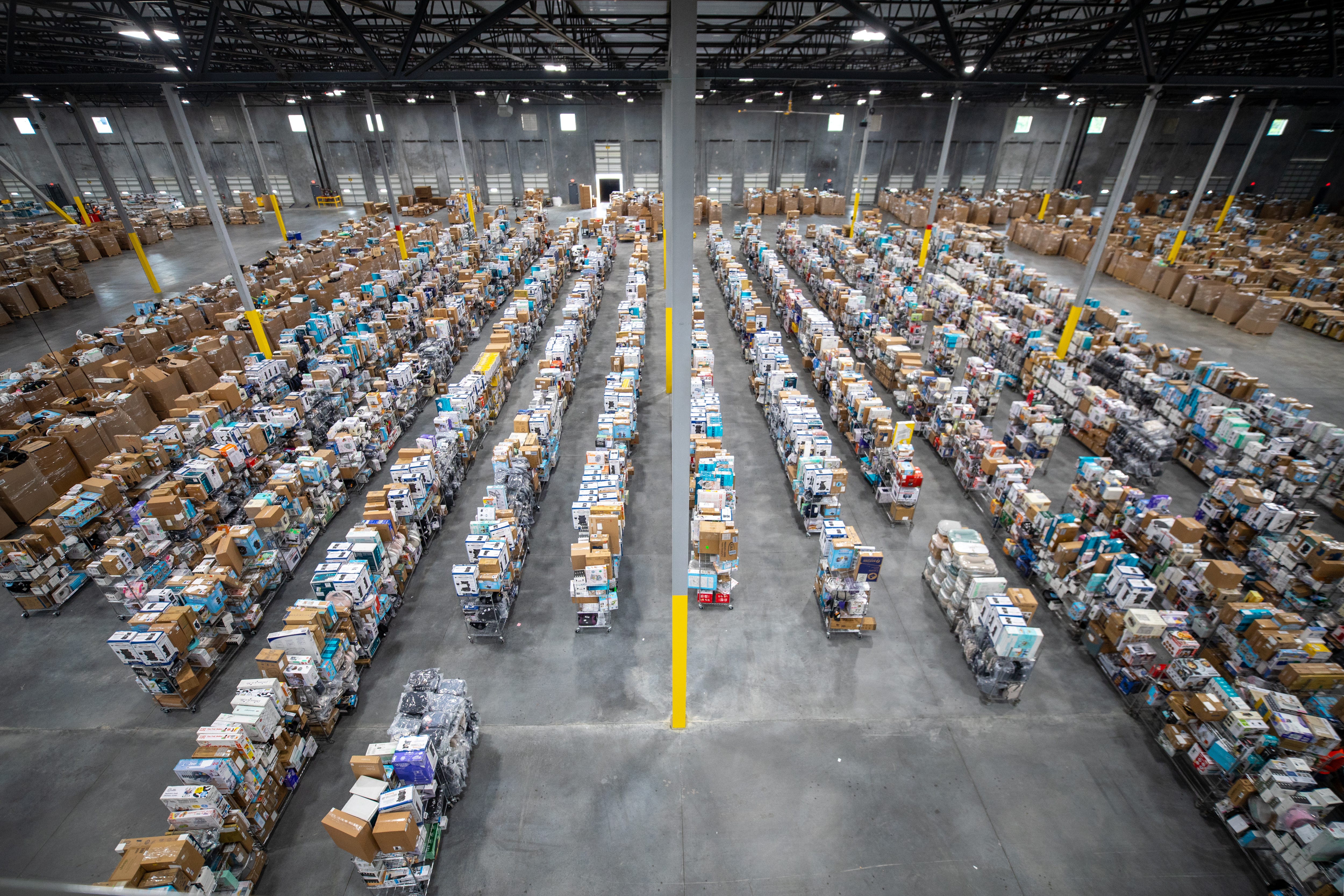
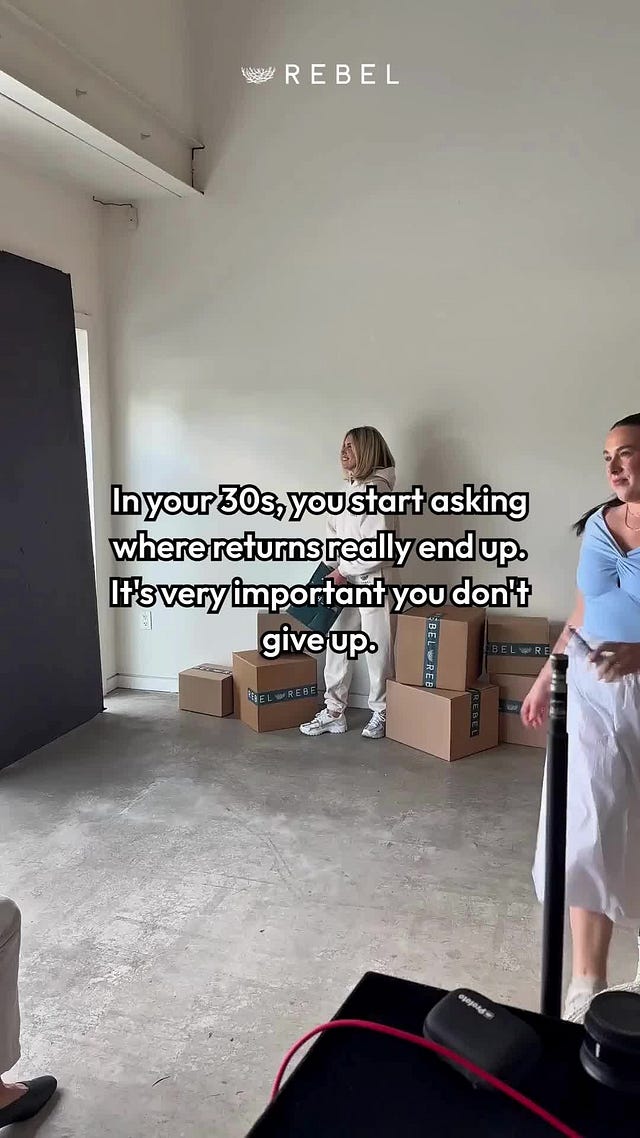
When I walked into their warehouse, pallets were stacked as far as the eye could see — all returned baby gear, all destined for landfills. I finally felt steady. My idea was real. I hadn’t just imagined it. That moment became the foundation for everything that followed. Today, REBEL is one of the fastest growing consumer technology businesses in North America, backed by top investors, with 50+ employees, offices in both Canada and the US, and the only platform capable of processing returns for recommerce at mass scale.
 Tiktok failed to load.
Enable 3rd party cookies or use another browser
The constant rejection I’d accumulated over the years, paired with an extreme level of relentless resourcefulness, turned out to really matter. Entrepreneurship means living 10 steps ahead of the conversation. A good idea that truly disrupts is often one where what feels obvious to you is invisible, uncomfortable, and unthinkable to everyone else.
Our team handles 75,000+ unique returns every single week, which offers ample insights about how merchants think about returns – and where most are leaving serious money on the table. Here are three things worth rethinking to make your returns work for you:
1. Your returns data is telling you something you’re probably ignoring. That post-holiday surge not only reveals what customers didn’t want, it shows you which products they’re testing, where quality or expectation gaps exist, and where perfectly good inventory is quietly being written off. Most merchants treat that signal as noise. It’s not.
2. A small number of SKUs are likely driving a disproportionate share of your returns. When brands look closely at their returns data, a pattern almost always emerges: a handful of products or categories are responsible for the bulk of the problem. That’s actually good news and means targeted fixes in product design, packaging, or listing clarity can move the needle significantly.
3. Not all returns are created equal, and treating them like they are is costing you. The biggest misconception we encounter is that returned inventory is essentially lost value, with liquidation or disposal as the only options. In reality, a large percentage of returned products are still perfectly functional. Opened, lightly handled, or simply tested. When you segment returned inventory by condition and resale potential instead of treating everything as a write-off, you unlock a meaningful recovery channel. The inventory just needs the right process to find its next home.
The sledgehammer moment taught me that the best opportunities often hide behind the problems everyone else has decided to stop seeing. Returns are no different. Six years later, the industry that told me this problem didn’t exist is now calling us to solve it. Every category has its own version of this—a broken process hiding in plain sight that everyone has just accepted as the cost of doing business. The hard part isn’t seeing it. Someone just has to be willing to build the thing no one has asked for yet.
Emily Hosie is the CEO and Founder of REBEL, an open-box and overstock marketplace and Certified B Corporation. Follow the company journey on Instagram and TikTok.