

How a $3 tote bag broke the internet (and made merch cool again)
From midnight store lineups to astronomical resale markups—branded merchandise became the ultimate flex when nobody was looking.
Four hundred people lined up at 6 AM for a $3 tote bag. That same bag is now selling for over $120 on eBay.
And Taylor Swift’s merch store reportedly raked in $200 million over the course of her Eras Tour. There are, of course, holdovers from the bygone days of music merch—the classic band tee will never die—but Taylor’s merch now extends to products like gym towels, duffles, and bracelets. Fans tote them everywhere, keeping Eras energy alive long after the tour is over.
The rules of cool have officially changed. Your status symbol isn’t a designer handbag—it’s a cheap grocery tote that you waited hours to buy. The merch economy has flipped everything we thought we knew about luxury, scarcity, and what people will pay for. And it’s getting wilder by the day.
Here’s a peek at some of the most chaotic (and brilliant) merch drops in recent history.
The branded $15 lock that became a luxury item
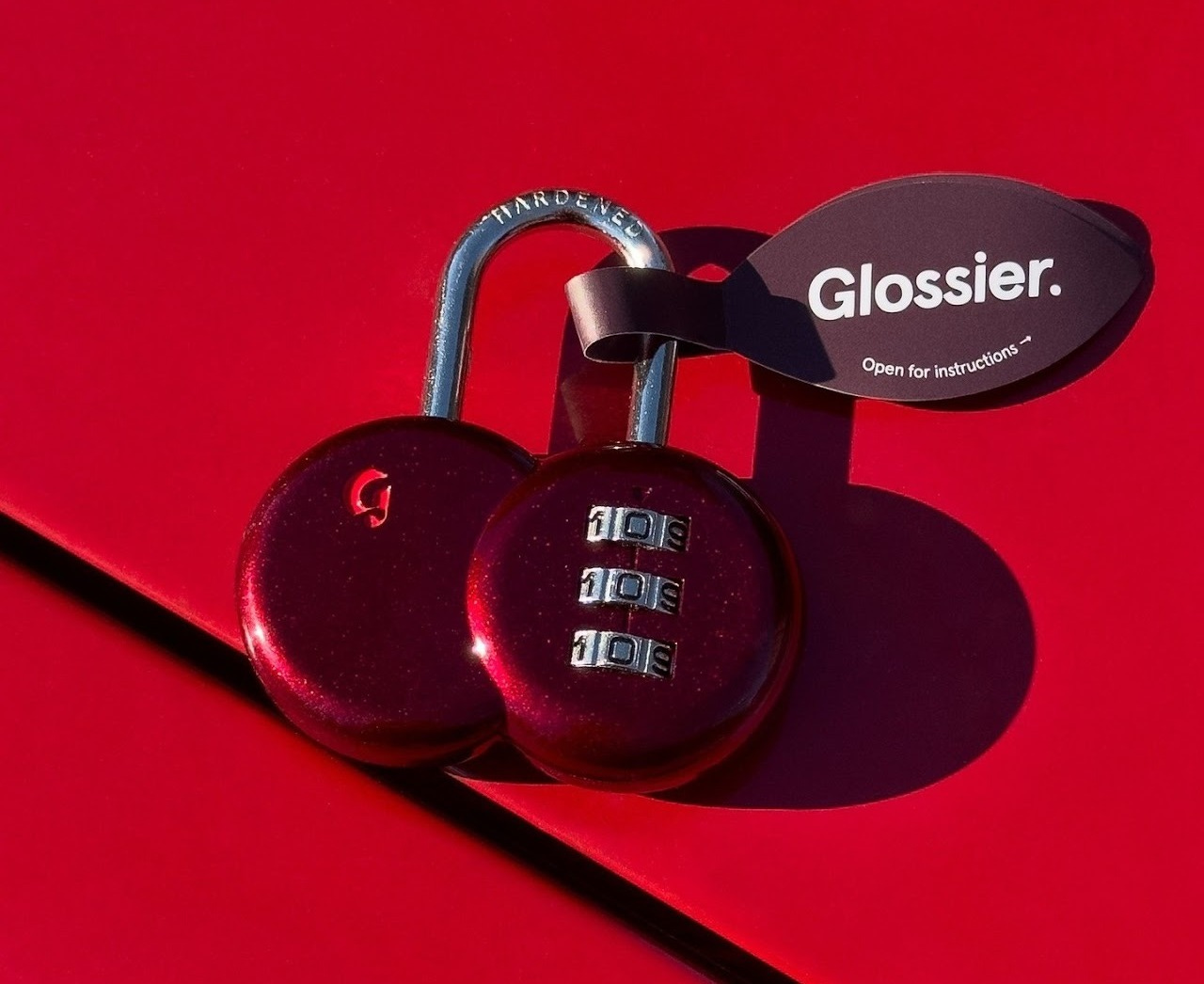
The item: Cherry-shaped padlock
The chaos: Limited drops, instant sellouts, and reseller markets
Why it worked: Exclusivity upped its collectible potential
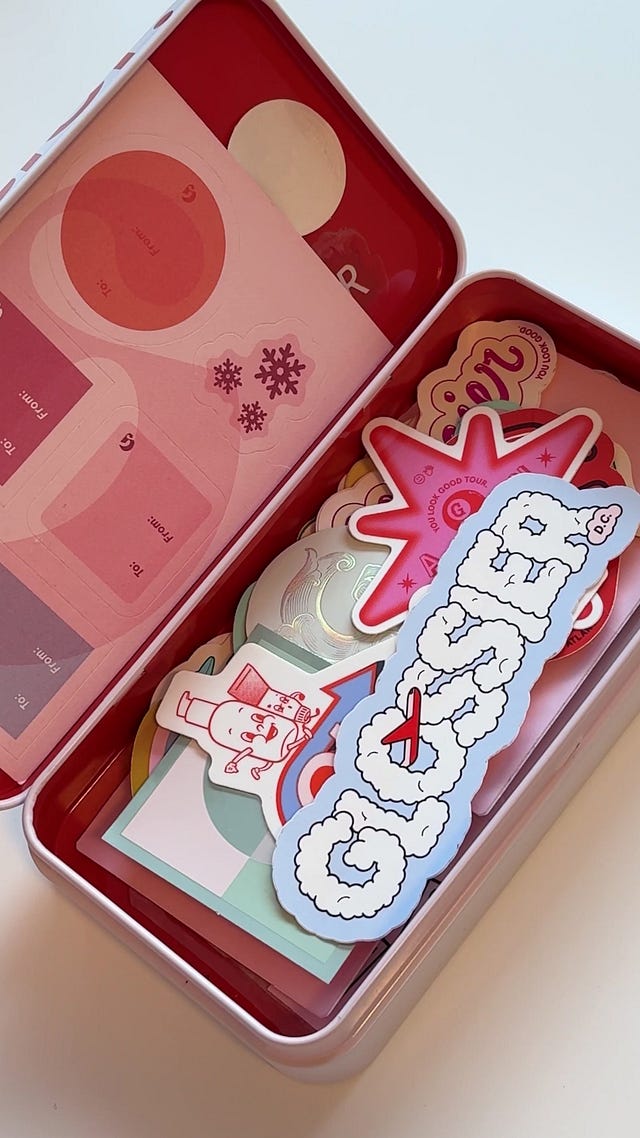
Everything Glossier touches seems to go viral—and for good reason. Their stickers alone, peaking in popularity in 2018, spawned collector communities that trade rare designs like Pokemon cards. Glossier’s 2025 cherry lock was just the latest in viral merch for the brand. It turned a basic security device into a fashion statement that popped up on resale sites at upwards of 3X its original retail price.
 Tiktok failed to load.
Enable 3rd party cookies or use another browser
The $3 bag that caused actual riots
The item: Trader Joe’s Mini Canvas Tote
The chaos: 400 people lining up at 6 AM, sold out in 45 minutes at one San Francisco store
Why it worked: Cool factor at an accessible pricepoint
In April 2025, another buying frenzy was afoot. This time for a grocery store tote. “We had people calling the store every five minutes asking if we had the bags,” said one San Francisco store employee. Some customers even drove from store to store across the Bay Area hunting for the coveted totes. The frenzy was so intense that resellers immediately capitalized, with bags originally priced at $2.99 selling for over $120 on secondary markets.
The fishy t-shirt that started a movement
The item: “Hot Girls Eat Tinned Fish” slogan tee (and also a music collab)
The chaos: Dropped at a peak cultural moment, brand gained media attention for its merch game and aesthetic
Why it worked: Turned canned fish into a lifestyle brand
“Our first piece of merchandise was a classic t-shirt that said ‘Hot Girls Eat Tinned Fish’ which was a key slogan for us then,” says Fishwife founder Becca Millstein. “It allowed us to really capitalize on the ‘Hot Girl’ trend at its peak and consolidate it into a true moment for the brand.” Its illustrations resonated with media too, lauding Fishwife for its merch design and strategy.
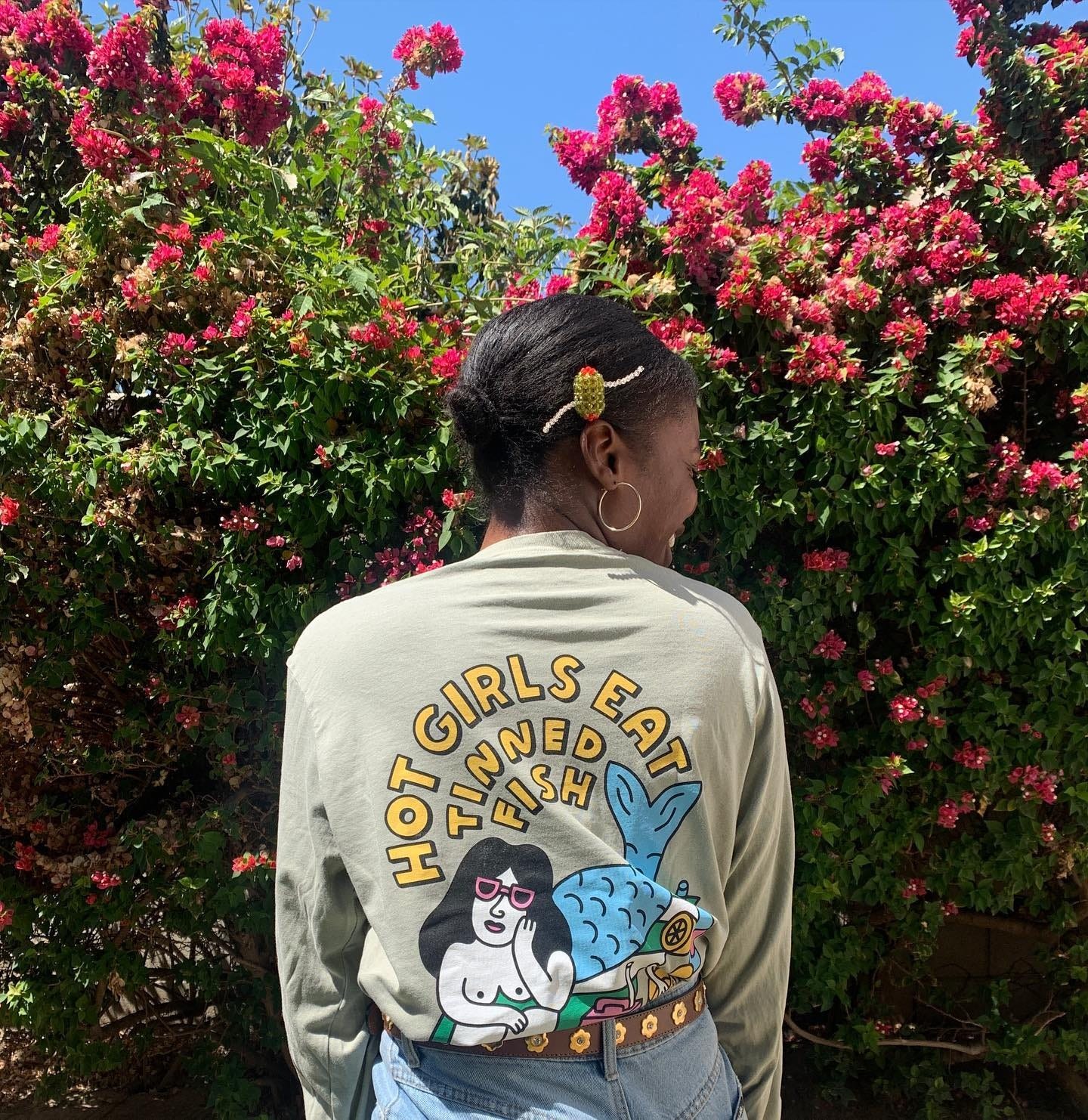
Today Fishwife sells other relevant merch like a cookbook and branded cutlery. They even partnered with artist Bon Iver for “the weirdest collab ever.”
Weird or not, says Becca, “there’s “a whole lot of merch that’s making its way out into the world and further getting out the message of Fishwife.”
The puffer tote that needed security
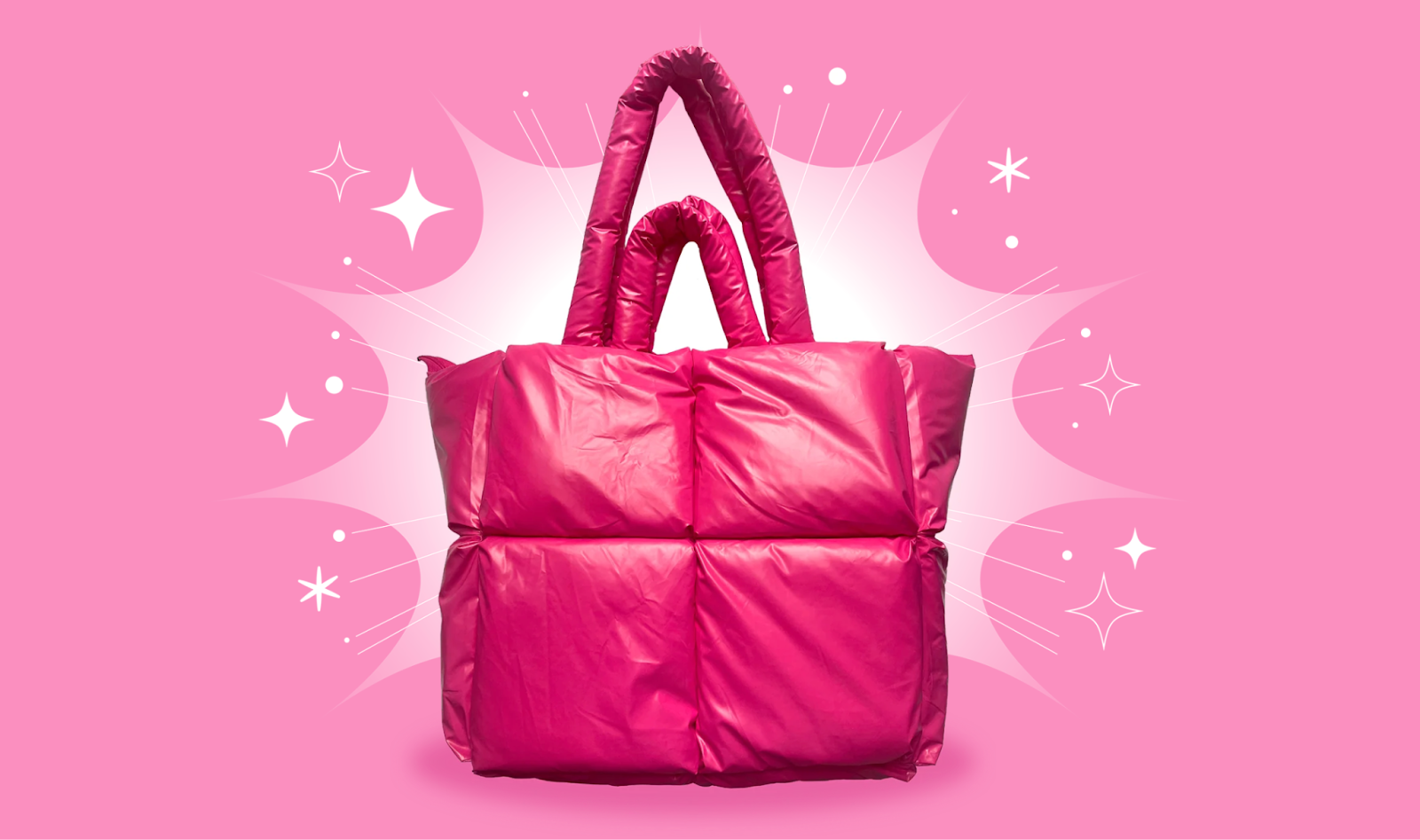
The item: Hot-pink puffer tote
The chaos: Trade expo booth overwhelmed by demand
Why it worked: Transformed basic giveaway into must-have item
At a 2025 expo, breakfast food brand Belgian Boys had an unexpected viral moment. Attendees lined up, but not for the waffles. “It was not just another tote bag,” says Amrit Richmond, retail expert and founder of Supermercato. “It created so much conversation that their booth was constantly flooded—they even had to bring in security guards.”
What began as simple swag has now become a sought-after item, with an official waitlist forming for its next release.
The SuperBowl ad that was worth every penny million
The item: “DunKings” track suit
The chaos: Sold out in 19 minutes
Why it worked: A celeb cameo meets SuperBowl fever meets New England pride. A match made in… Boston?
Ben Affleck’s appearance in Dunkin’s 2024 Super Bowl commercial sold out orange tracksuits faster than any product in Dunkin’ history—gone in just 19 minutes. Today, the suits still have value on the secondary market, some going for over $900. The campaign tapped into Boston pride, celebrity worship, and Super Bowl hype all at once, making donut shop athletic wear feel aspirational.
Dunkin’s latest merch drops continue the momentum, most recently seeing customers hunting for limited-edition Halloween collectibles that keep the brand top-of-mind year-round.
Beyond the hype
While this kind of virality can be a flash in the pan, great merch offers brands a shot at imprinting their stories on the mind of consumers well past the lifespan of its core product. Consider this: A box of waffle mix lasts for a meal, a bottle of olive oil a few weeks, a lipstick a few months—but merch can keep the brand story alive for decades.
“A tote or a hoodie isn’t just merch—it’s something you use, wear, carry,” says Buck design director Max Vogel. “Over time, these items become tokens or mementos. In the end, it all comes back to emotional connection. The product is just the vessel.”
Merch fever remains strong through the end of 2025 and the smartest brands are treating everyday objects like identity statements. Your hoodie does more than keep you warm. It tells everyone which tribe you belong to. And apparently, we’ll fight strangers at 6 AM to prove it.
Brands and creators, looking for more insight on how to crack the merch code? Read the full story on the Shopify blog.