

“The algorithm killed my business—here’s how I fought back”
How creators and brands are reclaiming their relationships with fans—one website at a time.
Building an audience is hard enough—but what happens when platforms decide who gets to see your work?
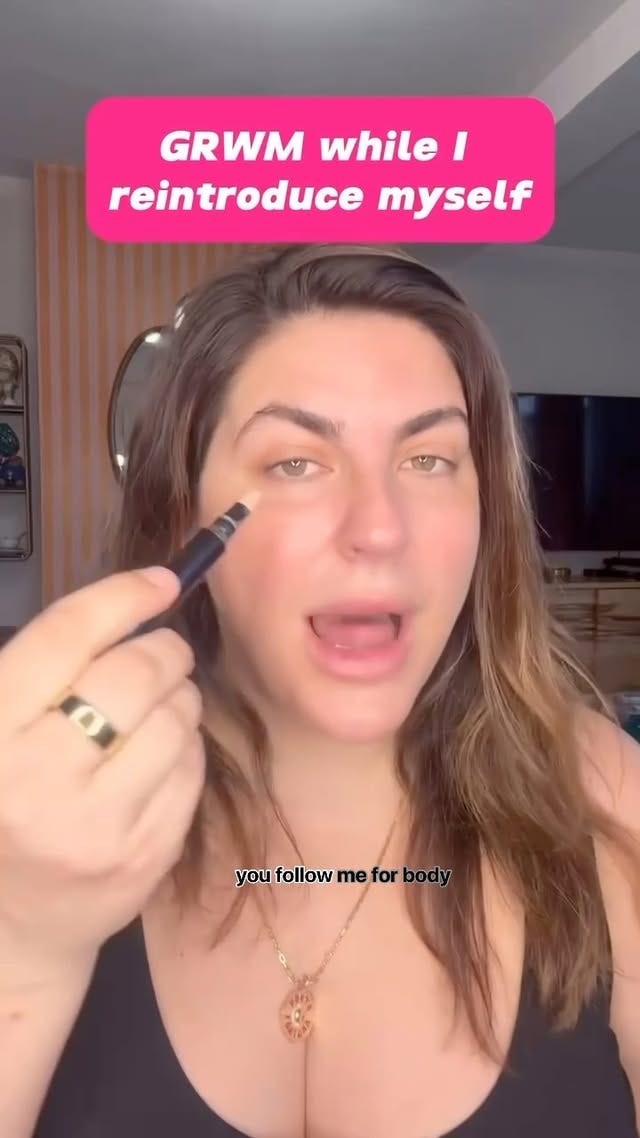
Picture this: You create something people love, build a loyal following, then watch algorithms control who gets to see it. And more critically, who doesn’t. “For the past two years, I’ve been on and off shadow banned,” says creator and Megababe founder Katie Sturino. Her crime? Being too authentic on platforms that prefer polish over personality.
This isn’t just creator drama—it’s happening to everyone from influencers to small businesses to multinational brands. When they build on borrowed platforms, they’re one algorithm tweak away from losing the connection with their most valuable assets: their audiences.
Why direct relationships matter
More than half of creators say it’s harder to reach their followers today than it was five years ago. Meanwhile, 60% say Instagram doesn’t always show fans their best work. Your fans want to see your content—but social platforms and marketplaces have other ideas.
That’s why creators and brands are going direct. Almost a quarter** of businesses that added a dedicated website as a sales channel did so to gain full control over how they connect with customers. They’re fleeing platforms for the same reason Katie launched Megababe’s website—to call the shots on how and when their brand shows up.
Ali Osterholz from Explorer Knits + Fibers hit the same wall. When Better Homes & Gardens wanted to feature her brand, all she had was an Etsy store that looked like everyone else’s. “I said, ‘It’s time to put on your big girl pants and get yourself a website.’”
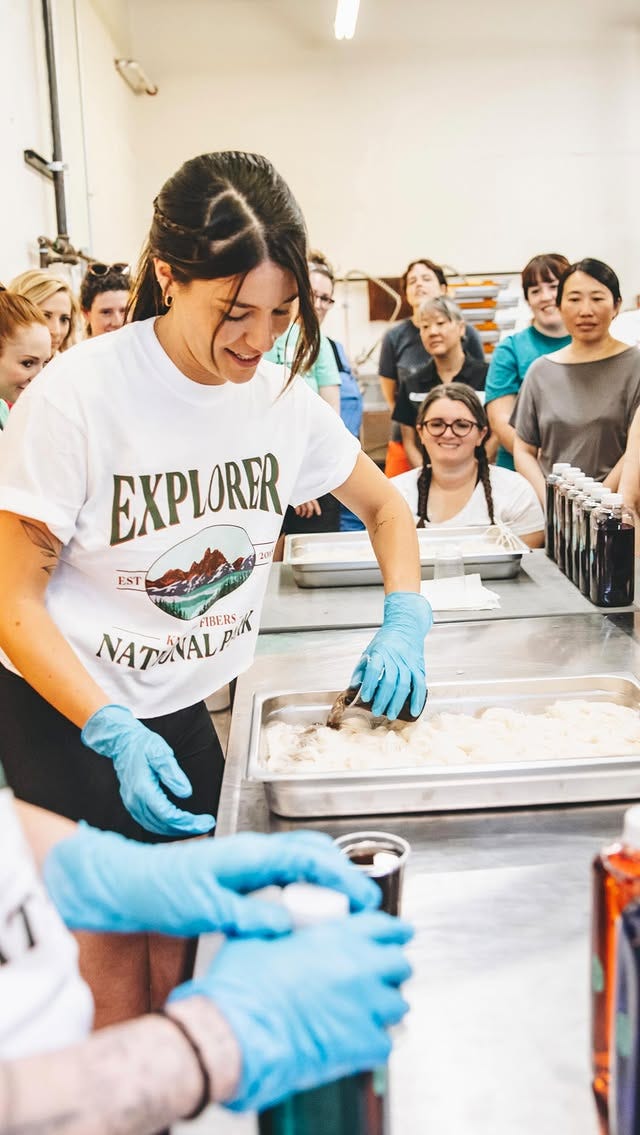
That moment changed everything. Ali could finally tell her story her way, connect directly with customers, and build relationships that no algorithm could touch. And 54%* of U.S. business owners agree: owning your own space enables personalized connections not possible on third-party platforms.
The magic of direct connection
When creators and businesses own their customer relationships, something beautiful happens. World of Books discovered this when they launched their own online store. “We can see that data and own it in a way that we wouldn’t be able to on a marketplace,” says director of product, David Magee.
The payoff was immediate: “We have massively increased our velocity of innovation, shipping more features to improve customer experience in the last three months than in the previous five years.”
These moves create ripple effects that benefit everyone. Small and medium businesses contribute more than two-thirds of all jobs worldwide. When creators and businesses thrive with direct relationships, they strengthen entire communities.
The bottom line
Today, World of Books still sells on marketplaces and Katie posts regularly on Instagram. “Platforms change, algorithms change,” she says, but ultimately she needs to meet her fans where they are.
Setting up a dedicated store didn’t replace social networks and marketplaces for these brands—it completed them. And that owned space becomes the anchor when everything else shifts. It’s the one place where algorithms can’t interfere and customer data stays put.
The creators and businesses who build for the long term are the ones who own their foundation—and the direct relationships that come with it.
Read more about these stories on Shopify Newsroom:
Building beyond marketplaces: These two brands became the architects of their own futures
Creators rise as entrepreneurs to claim ownership of their brands
* Survey findings are based on an online poll of 507 U.S. business owners and senior decision makers, conducted by The Harris Poll for Shopify from June 5-14, 2025.
**Results based on responses from a survey of 644 U.S. Shopify merchants identifying as replatformers or addplatformers conducted online December 8-15, 2023.