

How wine tasting informed this cult-fave pickleball paddle
CRBN Pickleball’s Garrett Gosselin on the unexpected edge that shaped his product, and why the right moment is an entrepreneurial myth
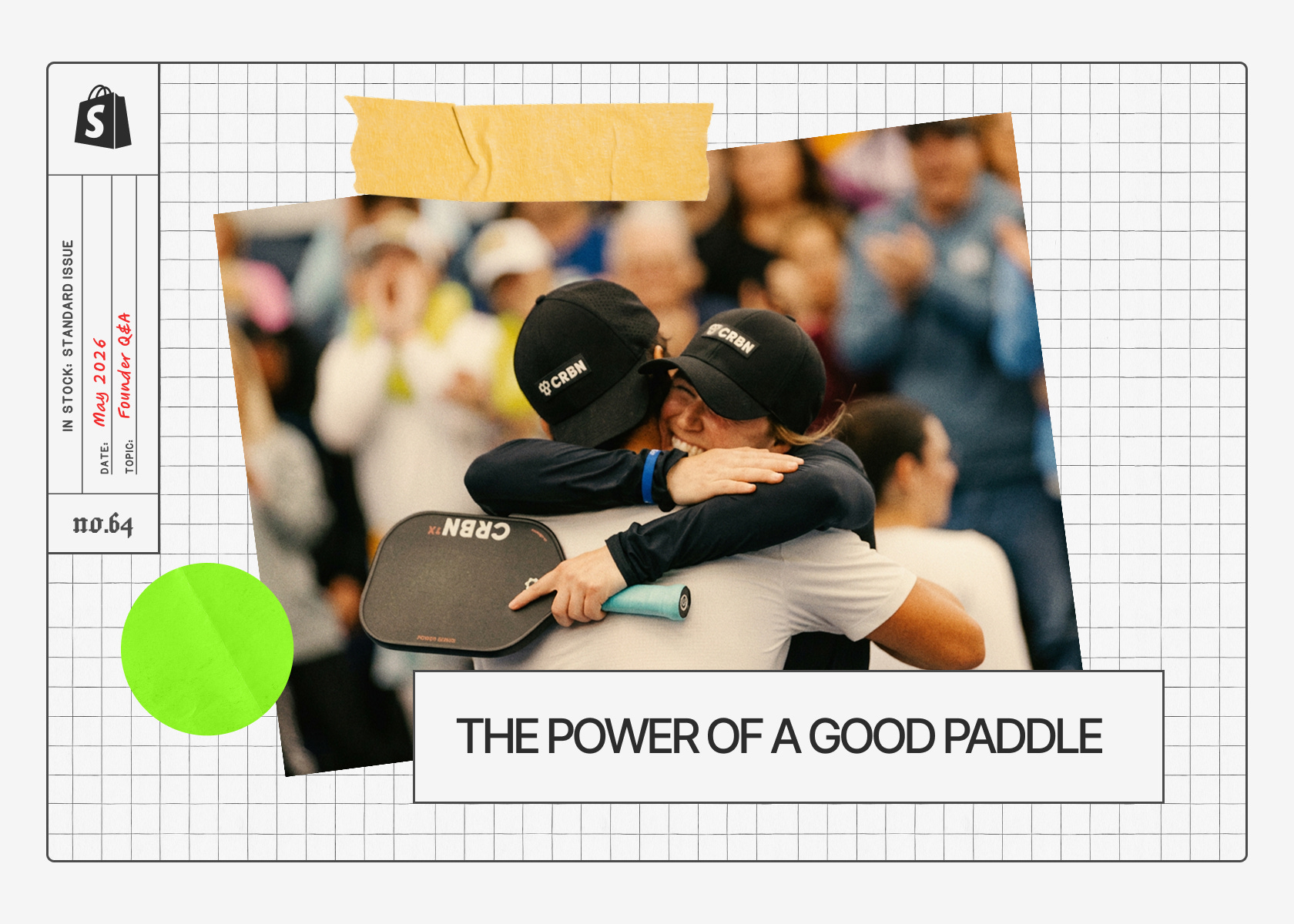
When Garrett Gosselin lost his job as a sommelier during the pandemic, he wasn’t sure what came next. He wasn’t even sure he wanted to stay in hospitality. What he did know was that he loved pickleball, and that when his paddles broke six months into playing competitively, the options currently on the market weren’t going to cut it.
That frustration led to a small bet, made with borrowed money and crossed fingers, that has since grown into CRBN Pickleball: an eight-figure brand with 25 employees, a dedicated R&D team, and a presence that stretches from Southern California to Southeast Asia. Learn Garrett and co-founder Kyle’s approach to starting the business, how Garrett’s sommelier skills transferred to paddle design, and how CRBN survived an unexpected crisis that threatened to end the company overnight.
The founders: Garrett Gosselin and Kyle Goguen
The business: CRBN Pickleball
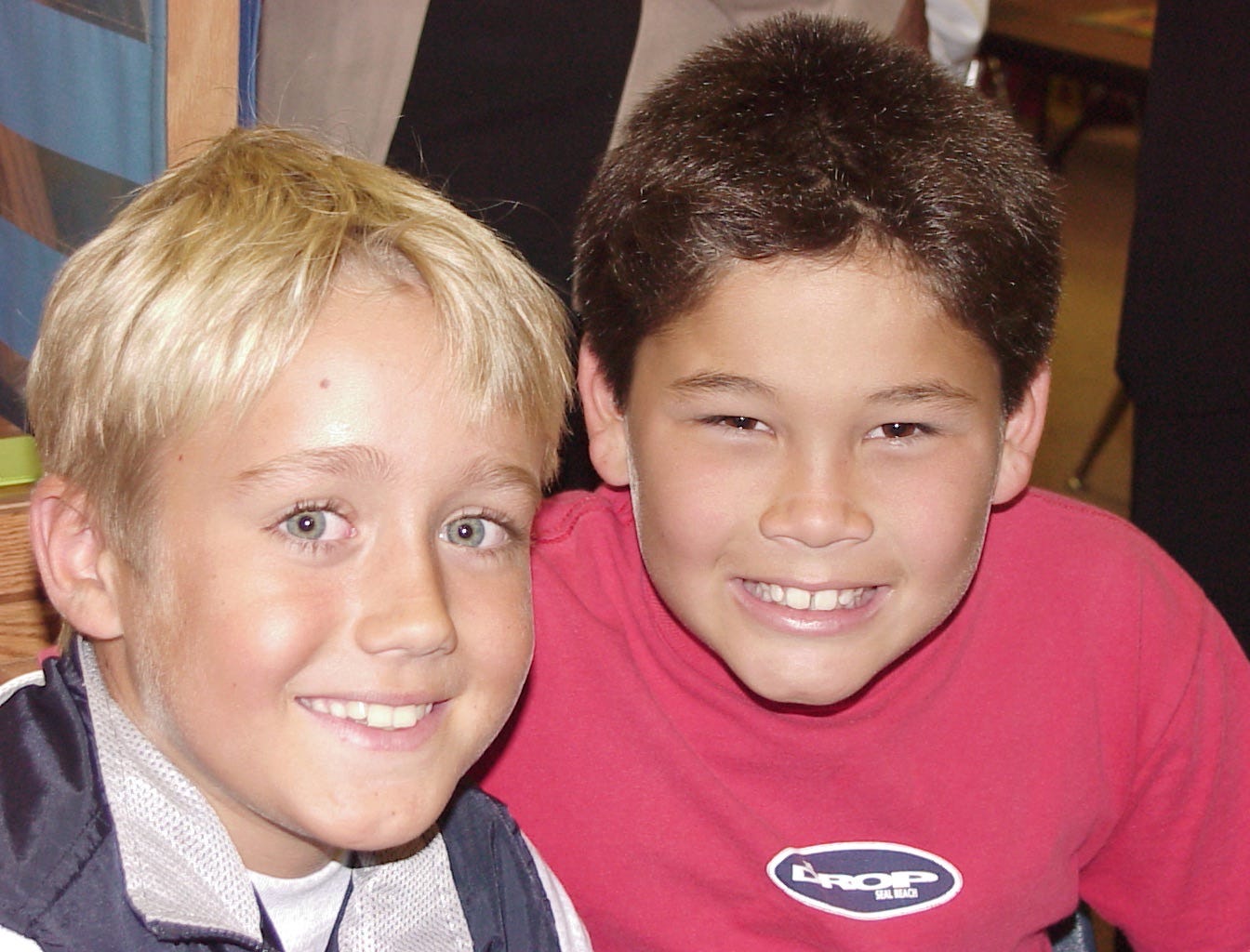
Fun fact: Garrett and Kyle have been friends since they were six years old. They almost started two other businesses together before CRBN finally caught fire.
Rachael: You got into pickleball after being laid off during the pandemic. Most people, myself included, found hobbies to keep busy during that time. You turned yours into a business. How deliberate was that?
Garrett: I kind of saw it as a blessing in disguise. I wasn’t exactly super happy with my lifestyle, the hours. I was always working when everyone was off, and never got to see my friends or family. I was very open to exploring new avenues, and I put a lot of my energy into pickleball.
About six months into being really competitive, all of my paddles had broken. Nothing was appealing to my eye. They looked like toys and were falling apart. I felt like there was room for improvement. The only reason I got more than two paddles made was because to play in tournaments, you have to get them approved by the governing body. So I got a couple dozen made, let people at our club try them, and they were just like, “Why aren’t you selling this?” I was like, “I don’t know, maybe I should try.”
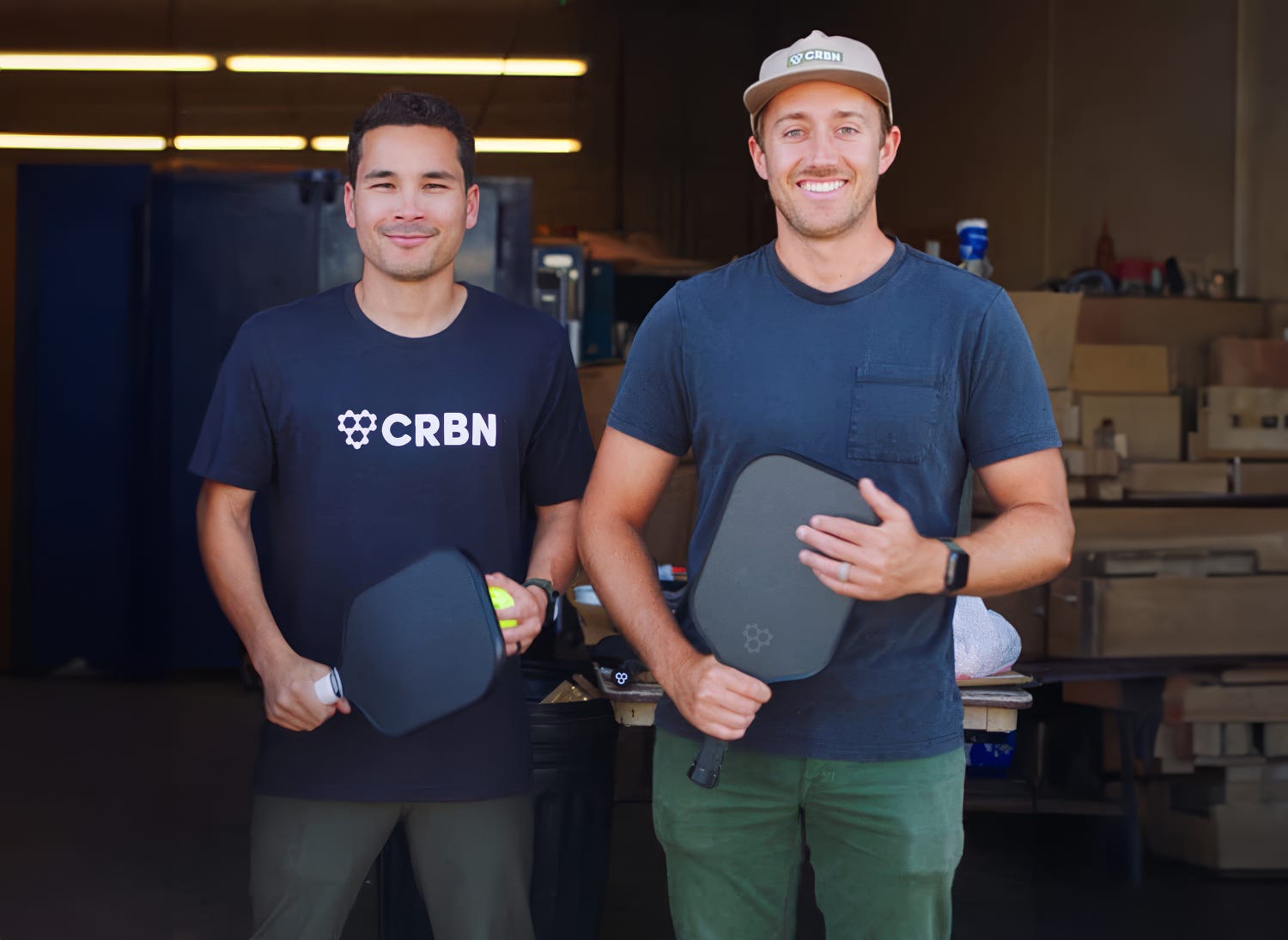
Rachael: Sommelier turned pickleball CEO. On paper, those two careers don’t have a natural connection point. But sommeliers use all their senses and think about things in a really elevated way. What did that background actually offer you as a product builder?
Garrett: There’s definitely a connection, even if it’s not obvious. Sommeliers are trained to detect small differences, notice nuances and details. There’s a deductive method. In the sommelier world, there are blind tastings. If you’ve ever seen a movie about it, it seems crazy and impossible. But once you figure out what they’re doing, it’s really just a checklist. If it doesn’t have XYZ, that rules out a whole region, and all of a sudden you’re thinking, “I’m in the south of France and this can only be one thing.”
It’s the same way with pickleball. There’s a checklist of things you really want to see in a paddle: how it feels, how it sounds, how it plays, the power, the spin, the control, the touch. All of those things come together to create the product. Thinking about it in that same mindset helped me figure it out faster than others may have. [Note: Scroll to the end of this piece for a closer look at how Garrett’s sommelier background informed the design of CRBN’s paddles.]
Rachael: You got into this because you loved the game. Now there’s a much bigger company around you, with R&D, a larger team, and a more crowded marketplace. How do you stay close enough to the product to make sure the thing that made CRBN different doesn’t get lost as the business grows?
Garrett: That’s the most difficult part. There are so many more responsibilities now. But I still have to play regularly and test everything. One of the most important things is that I’ve surrounded myself with people I really trust. When I was just starting out, it was only me and I was like, “I like this, I hope other people do too.” Now one of the first things we tell prospective athletes before we sign them is: “if you don’t like this paddle, we don’t want to sign you.” We don’t want a talking head representing us who doesn’t back what they’re saying. When people genuinely believe in the brand, you know the feedback is coming from an authentic place.
Rachael: You left hospitality partly because of the hours. Has entrepreneurship given you the freedom you were looking for?
Garrett: My physical schedule, yes. But my bandwidth and mental schedule is very full. I’m never not working. I’m always available, especially with a manufacturing-based business that gets things made overseas. I’m on all time zones. But the trade-off is infinitely better and worth it.
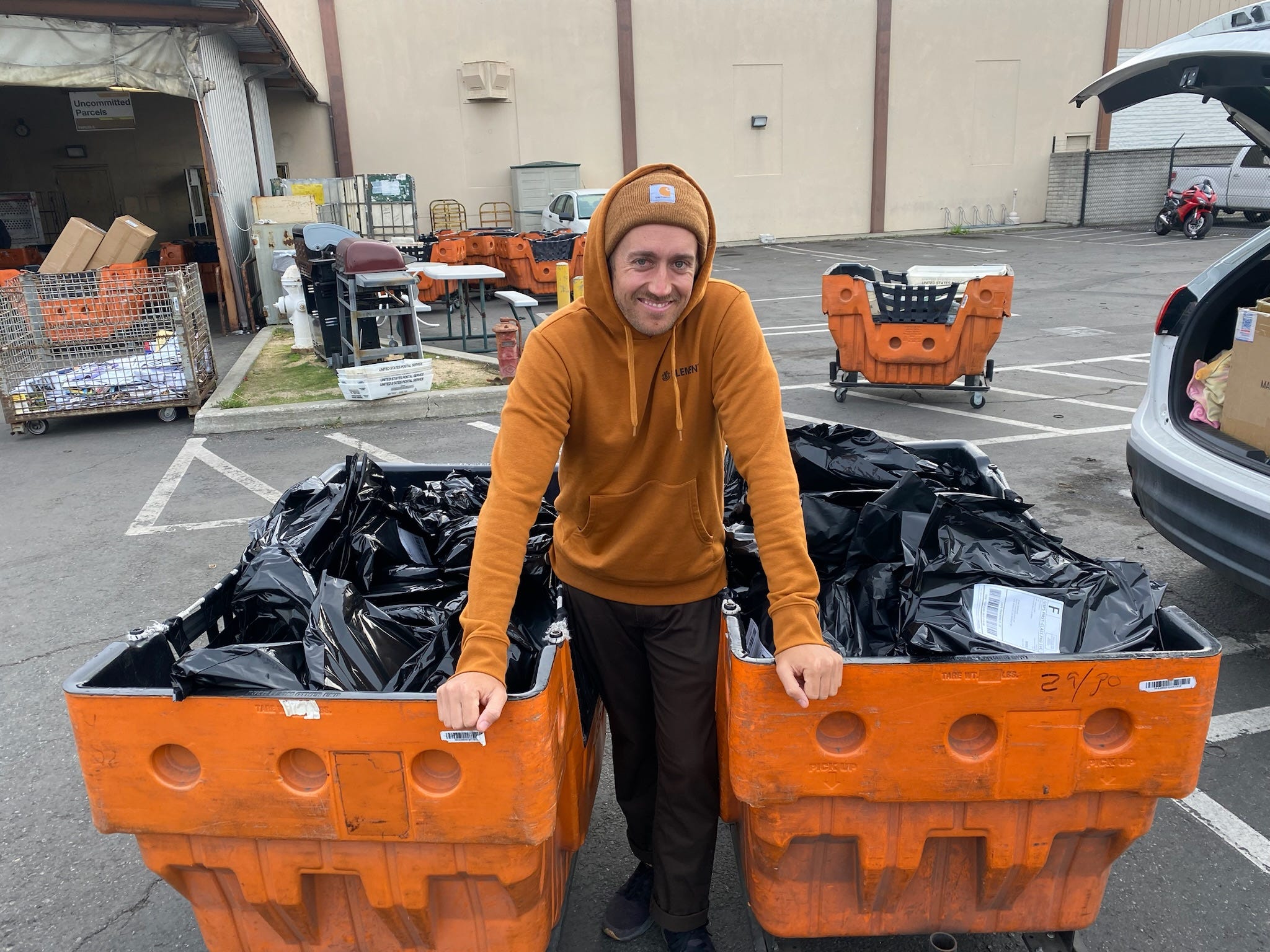
Rachael: Was there ever a moment where you came close to calling it quits?
Garrett: I never came close to calling it quits, but I thought external forces were going to do it on our behalf. About a year and a half into the company, during what became known as Paddlegate, USA Pickleball decided to start testing the surface roughness of paddles at the biggest tournament of the year. A few of ours exceeded the allowed limit. They made a decision, on the spot, to remove our paddles from the approved list mid-tournament. Our paddles were banned overnight and there was a real risk of the business failing. We had thousands of paddles in circulation. To think that every single person couldn’t use their paddle could have been completely catastrophic.
My co-founder Kyle spearheaded the response on our end. We came up with four options for customers instead of just issuing refunds, and the community chose to support us. People upgraded their paddles at a discount. Some people who didn’t play tournaments didn’t even need a new paddle, and they were completely understanding. They knew that CRBN could not exist if everyone returned theirs. We got everything recertified and it really saved us. We’re so grateful to our customers for that.
Rachael: There are so many scenarios where a business can be affected by something almost entirely out of its control. What kept you going through all of that?
Garrett: Honestly, the fact that I don’t have a backup plan. I passionately believe in the product, and I don’t want to be a sommelier again. There was no other option. We knew that [that moment] sucked and was going to be really difficult, but we were going to figure out a way. That’s how we’ve always operated.
Rachael: What would you say to someone who is thinking about changing their path right now but is worried they don’t have a five- or ten-year plan?
Garrett: Start taking action now. You don’t need a full business plan, but you also don’t need to quit your job. Just start tinkering. Test something. We validated demand before seriously investing. I had a small sample size from our club and thought if this many people are interested, that’s a representation of more people. Let action guide the direction.
I think there are people out there who are never satisfied with their 9-to-5, always thinking, “I feel like there’s something in me that can make an impact somewhere.” I’ve always felt like that, I just didn’t know what it was until it slapped me in the face. CRBN was not planned, but Kyle and I have known each other since we were six years old and we’d almost started two other things together before this. It’s almost like there were sparks, and this one finally caught flame. If you have that itch, follow it.
The Anatomy of a CRBN Pickleball Paddle
Garrett approaches product design the way a sommelier approaches a blind tasting: by trusting his senses. “The essential elements are power, control, spin, feel, and durability,” he says. “Each one plays a critical role in how the paddle performs on the court, and getting the balance right between them is what separates a good paddle from a great one.” When CRBN prototypes finally passed that test, he knew immediately: “I could pick up the paddle and feel the difference between the other prototypes in the box,” he says. Below, his sense-driven perspective on the elements that matter most.
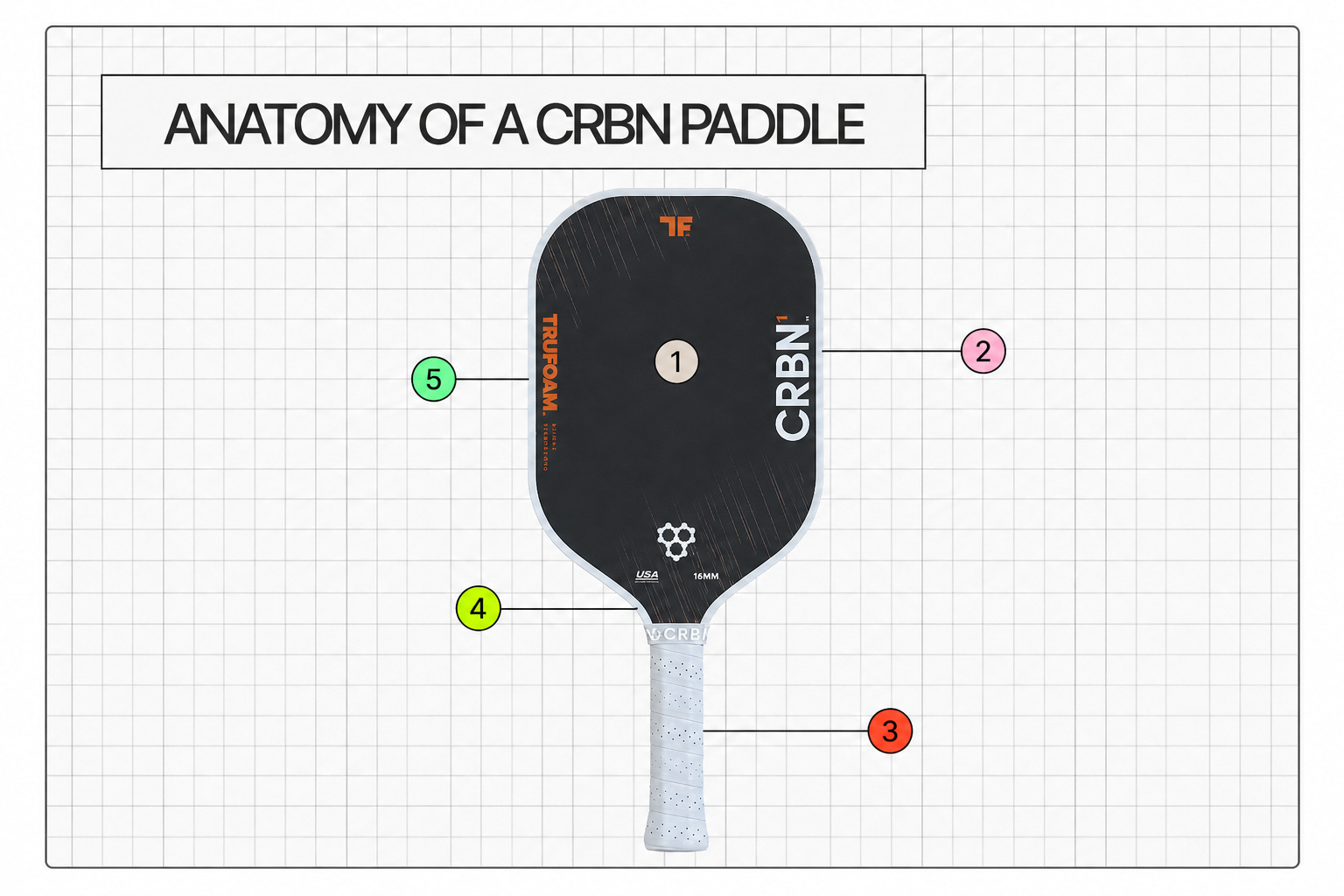
1. The face: “Spin comes down to the surface texture and how it grips the ball, while feel is all about the feedback you get on contact—the sound, the vibration, the way it responds to different shots.”
2. The sound: “Our paddles tend to be muted compared to other paddles that sound more hollow and echoey. It can sometimes give the perception that a paddle doesn’t hit as hard as it actually does.”
3. The grip: “If a grip is too round, I lose track of how I’m holding it. Too flat and it feels like you don’t have any control—like too much of a toy.”
4. The weight: “The sweet spot is when you can swing it effortlessly but still feel like you have control and power behind every shot.”
5. The core: “We test different densities and thicknesses until we find that sweet spot where you get enough pop on your drives but still have the finesse you need for dinks and drops.”
This interview has been lightly edited for length and clarity.