

Trend check: BookTok made reading social—these entrepreneurs made it stick
The algorithm might know what everyone will read next, but it’s missing the human curation that readers actually want.

Our monthly trend tracker: exclusive data, breakout merchants, and the opportunities hiding in plain sight. From market earthquakes to micro-moments, here’s what smart entrepreneurs are betting on.
The TL;DR: Book subscription sales surged 264% as entrepreneurs built human-curated alternatives to algorithmic recommendations, turning BookTok’s viral moments into sustainable businesses.
What the data says: More than half of book shops now sell globally, with romance-fantasy gatherings quadrupling in the past year.
Key players: Book Box, Willoughby Book Club, plus the countless subscription services launching from kitchen tables and garages worldwide
The breakdown
BookTok created the readers. Smart entrepreneurs created the community.
When millions scroll through “dark academia” recommendations and fantasy romance round-ups, a counterintuitive opportunity emerges: readers desperately want what algorithms can’t provide—surprise, discovery, and books chosen by actual humans who understand their taste.

Kate Blazeska & Carl Matheson from Book Box saw Australians paying international shipping for American book subscriptions. So they launched their own Shopify store. Day one: six orders. Three years later: they’re part of a 264% surge in physical book subscription sales on Shopify. Their secret? Kate deliberately avoids BookTok’s biggest hits.
“The minute customers see overhyped titles in their box, it feels like we didn’t put in effort,” she explains. Instead, she hunts through indie catalogs to surface books that aren’t oversaturated—then watches customers create their own viral unboxing content.
When a TikTok about Book Box from a micro-influencer exploded to 100,000 views overnight, Carl didn’t panic—he said “this is it” and got strategic. He transformed the user-generated content into Meta campaigns, understanding that organic performance predicts paid success. Now social media drives a third of the brand’s growth.
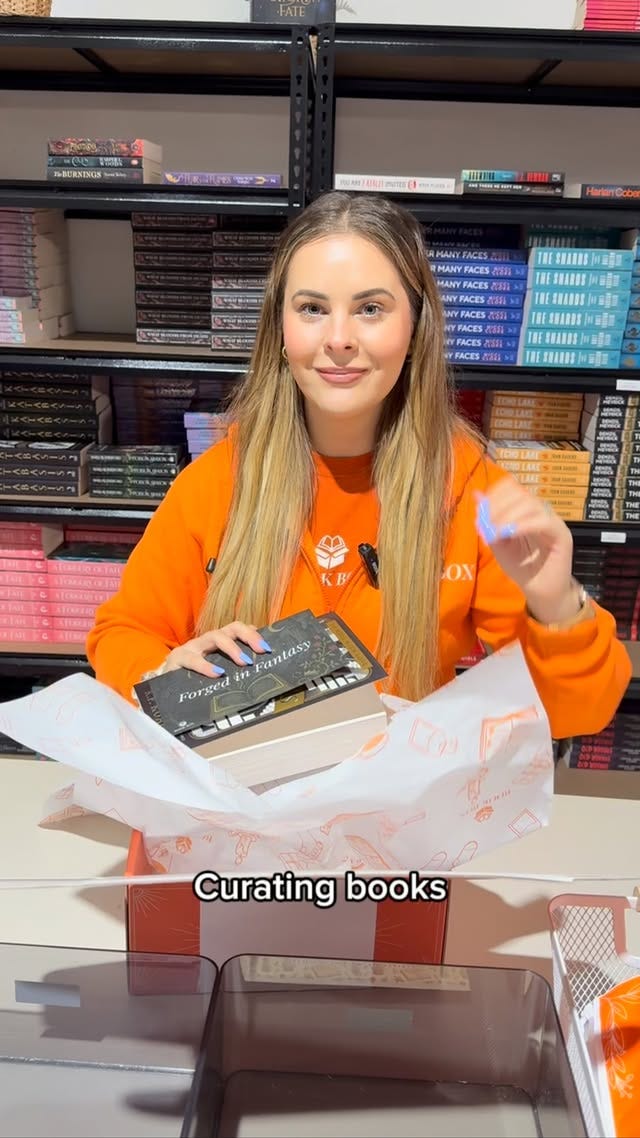
The model works because it solves multiple problems simultaneously: readers get discovery without decision fatigue, authors reach audiences without massive marketing budgets, and entrepreneurs tap into the 65% of adults who still prefer physical books over digital.
Why this matters
This shift reveals something bigger happening across industries: algorithms are creating their own backlash.
While tech companies perfect recommendation engines, some shoppers still crave the opposite—human curation, surprise, and discovery that can’t be predicted. It’s why people pay sommeliers to choose wine, hire stylists instead of using shopping apps, and seek out local coffee shops over “optimized” chains.
The BookTok economy shows what happens when entrepreneurs think beyond algorithmic efficiency. Readers ultimately want someone who understands their taste to surprise them.
For shoppers, this means more choices beyond what technology thinks they want. For industries, it signals that the most sophisticated technology can’t replace human intuition and personal connection.
The lesson extends beyond books: in any oversaturated market, the brands that win are the ones that solve for human connection. That’s the whole game.
Want to learn more about how #BookTok and other independent businesses leading this trend? Read the full story on Shopify Newsroom.