

Trend check: Creators quit chasing viral—the smart money's on operations now
Two makers with massive viral wins reveal why Instagram followers and celebrity endorsements are just the opening act—the real show happens in your operations.

Our monthly trend tracker: exclusive data, breakout merchants, and the opportunities hiding in plain sight. From market earthquakes to micro-moments, here’s what smart entrepreneurs are betting on.
The TL;DR: Viral moments create awareness, but operational systems create businesses, especially when it comes to Black Friday
What the data says: Abby Price’s Sabrina Carpenter SNL moment brought 10% follower growth, but her $1M Black Friday projection comes from six months of operational prep, not viral fame.
Key players: Abbode (20 employees making custom embroidery), Hotel Lobby Candle (200K Instagram followers, strategic scarcity), makers who prioritize infrastructure over influence.
The breakdown
Abby Price got the call every maker dreams of: pop star Sabrina Carpenter wore her brand’s embroidered piece on Saturday Night Live. Her phone was blowing up. Followers jumped 10% overnight. Website traffic was spiking.
But Abby didn’t scramble after the big moment—she’d learned that viral attention doesn’t automatically translate to sales.
“We got a really awesome influx of interest, but the piece Sabrina wore wasn’t even for sale,” says Abby, the founder of Abbode. “It was good for helping more people find out about us, it was more about awareness.”
That restraint reveals everything about the mindset shift when you move from a hobby to a business. While most makers would be chasing celebrity attention, Abby treated it as brand awareness rather than a sales opportunity. She’s learned that viral moments create sugar highs followed by crashes.
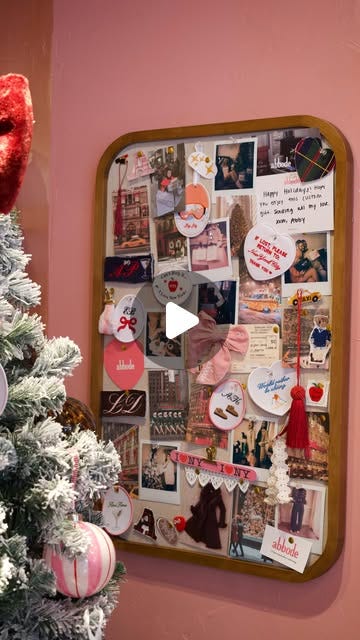
Her Black Friday projection of over $1 million doesn’t come from the Carpenter boost—it comes from the operational machine she started building in July. Six months of capacity planning with her logistics partner, negotiating with manufacturers, implementing template systems that streamline production without sacrificing customization.
“These one-off viral moments, that’s not changing my whole business,” she says. “Without the right systems, it can be just a blip.”
Lindsay Silberman of Hotel Lobby Candle learned this lesson from the opposite direction. Starting out as a content creator and then later building a brand required a different toolkit for success. With 200,000 Instagram followers and a lifestyle brand that photographs beautifully, she had the inverse problem of Abby—chronic under-supply that left money on the table.
“We would completely sell out before Black Friday even happened,” she recalls. “We had nothing to go on other than gut instinct, and we were super conservative because we didn’t have enough capital to take chances.”
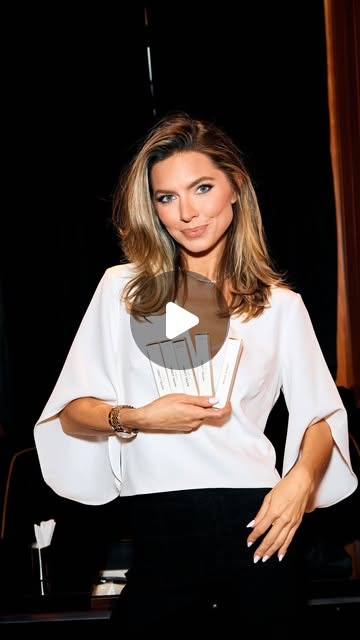
The accidental scarcity created urgency among customers, but Lindsay knew it wasn’t a sustainable strategy—it was luck masquerading as acumen.
Now she runs projections almost a year in advance, conducts competitor analysis to optimize promotions, and manages what she calls a “wheel operation”—herself and her husband directing five agencies and multiple contractors. Her holiday performance represents half their annual revenue, funding everything from PR agencies to expanded inventory.
Both creators discovered the same truth: followers don’t fund businesses, systems do. Their social media success created awareness—their operational sophistication created scalable brands.
Why this matters
The creator economy’s biggest lie is that influence equals income. Behind every sustainable creator business is operational infrastructure that social media never shows.
This shift reveals something bigger about how modern businesses actually work. While we’re obsessed with follower counts and virality, the real economic impact happens in warehouses, fulfillment centers, and the unglamorous backend systems that turn attention into revenue.
Abby’s 20 employees and Lindsay’s network of agencies represent the hidden job creation of the creator economy. When these businesses succeed, they fund hiring decisions, supplier relationships, and economic growth that ripples through entire communities.
“Are you trying to get higher average order values? Acquire new customers? Or get more products in people’s hands?” Lindsay asks. “Be very clear on what you’re trying to achieve.”
The brands that last treat operations like the main event and social media like the opening act.