

From Survivor to the Eras Tour: The cultural moments that shaped commerce
A quarter-century throwback to pop-culture trends, fandom frenzy, and tech innovations that defined the way we discover and shop.
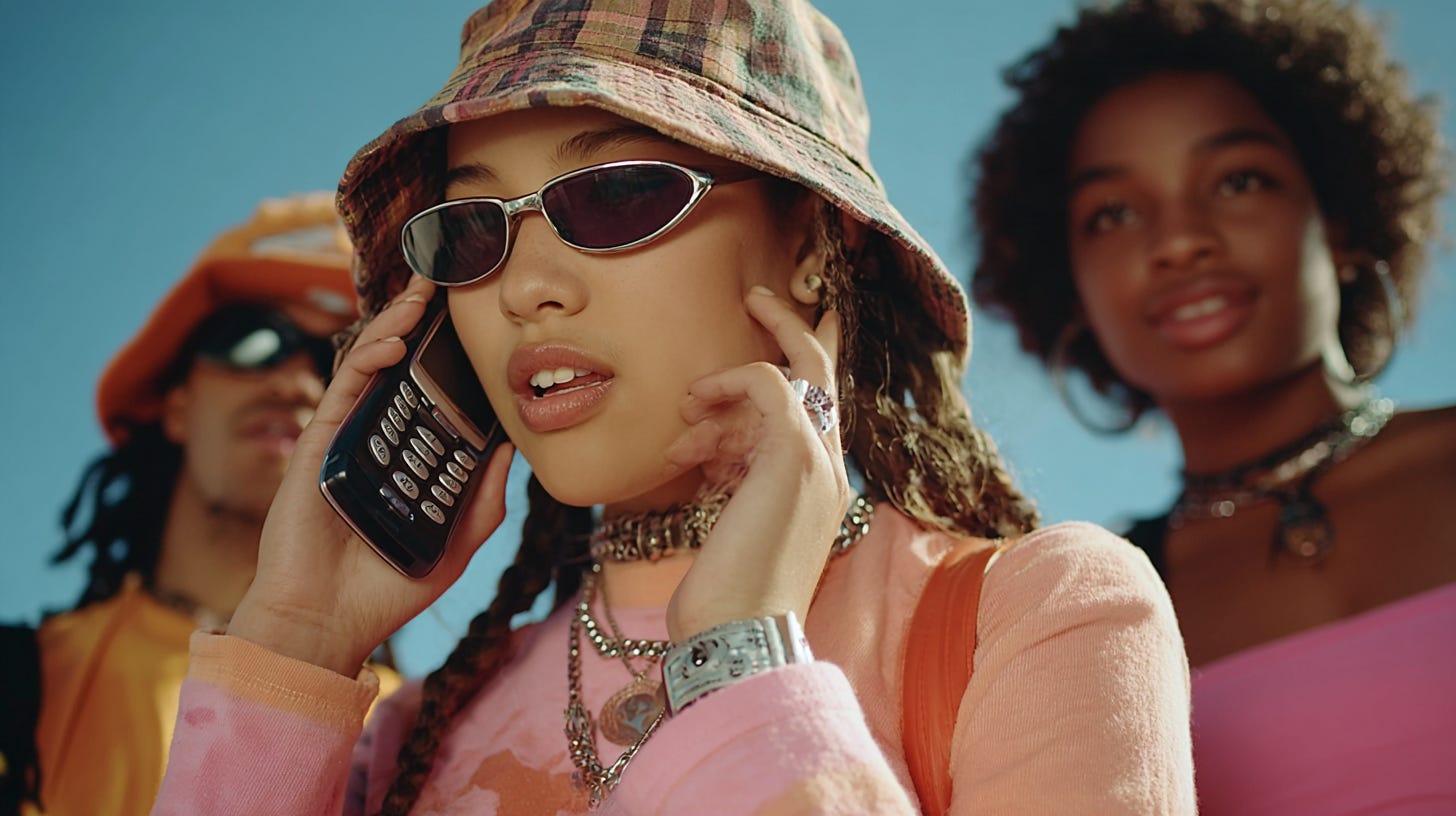
It’s 11:59PM on the last day of 1999. We’ve been told for months, years now, that when the clock strikes midnight, all hell would break loose. I am 20 years old, in my second year of art school. I am dancing to Destiny’s Child (probably) and oblivious to the fears plaguing coders and bankers and people with actual stakes. Would the jump from ‘99 to ‘00 scramble airline systems and wipe out financial databases?
Spoiler: It didn’t.
What Y2K did bring was a new era of commerce, one defined by tech innovations, the advent of social media, and unforgettable pop culture moments.
In 2000, most of us shopped at malls. Our phones were, well, phones. Twenty five years later, commerce looks nothing like this reality. (Unless you count Labubu maina, 2025’s Beanie Babies fever dream.)
Today, fans buy concert tickets, connect with other fans, purchase merch, and broadcast the entire experience—all from mobile phones. Everyday people become stars and create empires from their bedrooms in the suburbs. Condiments go “viral.” And a Broadway musical adaptation spawns 400+ brand collaborations before it even hits theaters.
Some trends last decades. Others burn bright for a season. Either way, they make an impact. Every entry in this timeline represents a shift in the way we think about commerce, community, and what drives us to open our wallets.
This is the (mostly comprehensive) story of how tech brought the mall to our pockets, how fandoms became economies, and how a single toy can reshape an entire industry overnight.
Building the foundation (2000 to 2005)
Commerce leapt to the internet years before Y2K but this period sees ecomm surge via marketplaces and big brands coming online. Social media and reality TV go mainstream, planting the seeds of the influencer era. And, Cyber Monday enters the chat.
2000: Launched this year, Sony PlayStation2 wins the video game wars during the 2000s with more than 155 million devices sold.
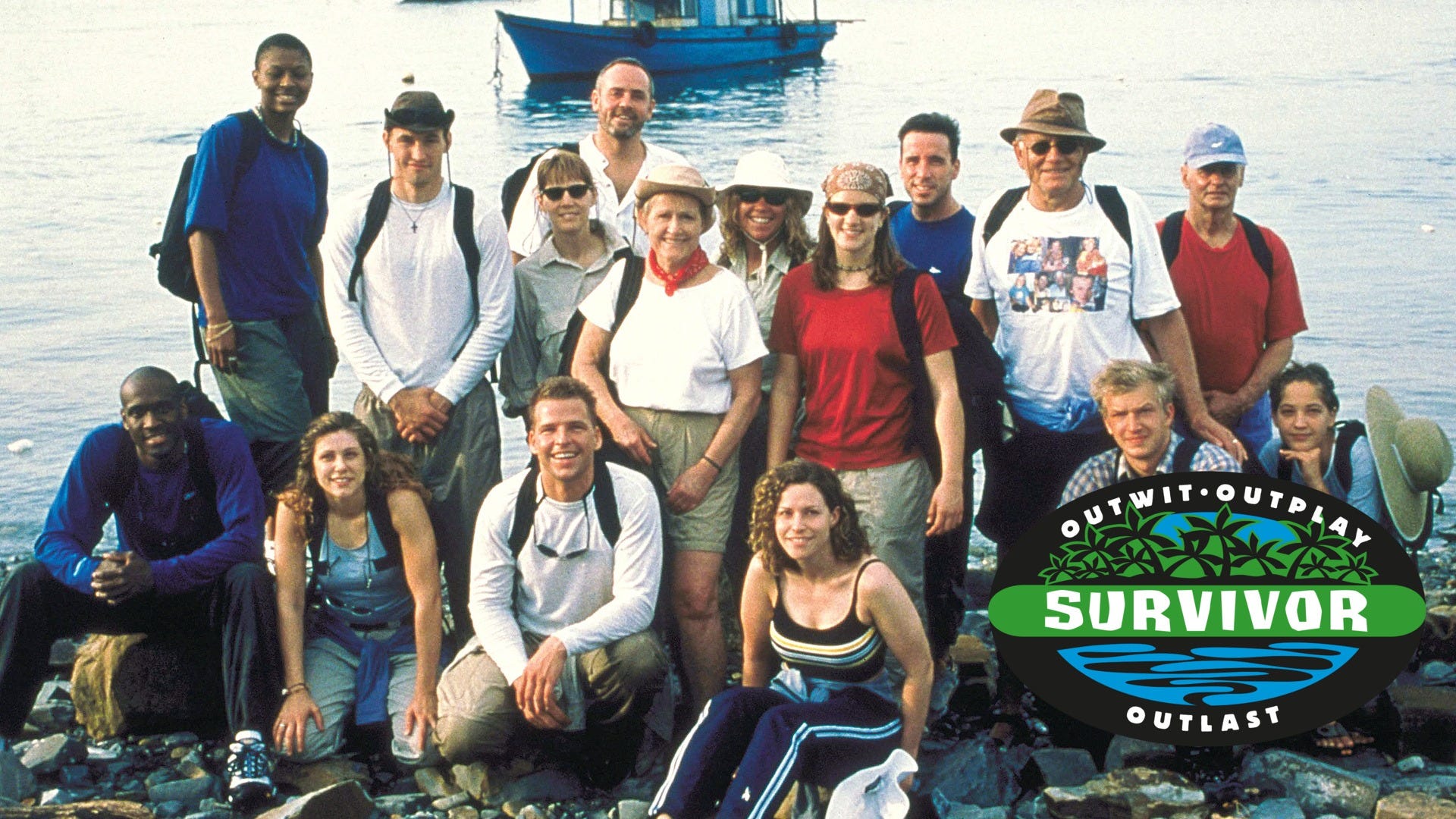
2000: The first season of Survivor airs, kicking off a global obsession with reality TV. By 2025, the American series alone will air its 49th season. And the spinoffs are too many to count. Some former cast members will go on to become household names as actors and content creators. Others would start businesses, including Aras Baskauskas who launched Christy Dawn with his wife, model Christy Peterson.
2000: Walmart.com comes online.
2001: Y2K fashion peaks at the AMAs as Justin and Britney sport iconic matching denim fits. Later, early 2000s styles will dominate shopping trends again. Looks that went dormant for two decades would later be resurrected by Gen Z. In 2020, polo shirt sales will increase 223% YOY*, crop tops 171%, and headbands 212%.
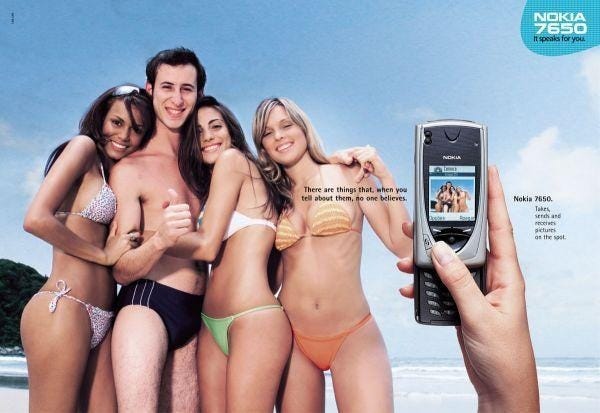
2002: The first cell phones with integrated cameras are introduced in Europe (Nokia 7650)
and the United States (Sanyo SPC-5300) although other models were available in Japan as early as 1999. Compared to today’s smartphones with cameras up to 200 megapixels, the Nokia 7650 launches with a 0.3-megapixel version. Today, many brands shoot and edit product photos and social videos directly on their phones.
2004: Facebook hits the web. It will later become one of the biggest ad platforms and a direct conduit between brands and consumers when social selling is popularized. For now, it’s a tool for checking in on your former high school crush.
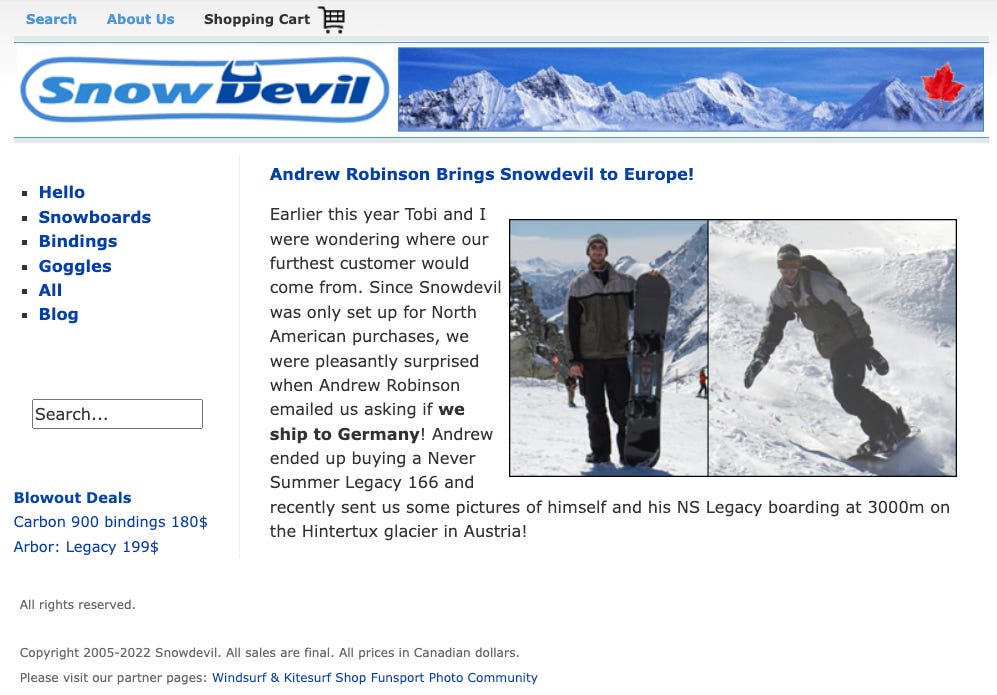
2004: Tobi Lütke, Daniel Weinand, and Scott Lake start an online snowboard store called SnowDevil. Tobi builds an ecommerce platform for the site using Ruby on Rails. That platform would eventually become the foundation of Shopify, and was mostly coded in a coffee shop called Bridgehead in Ottawa, Canada.
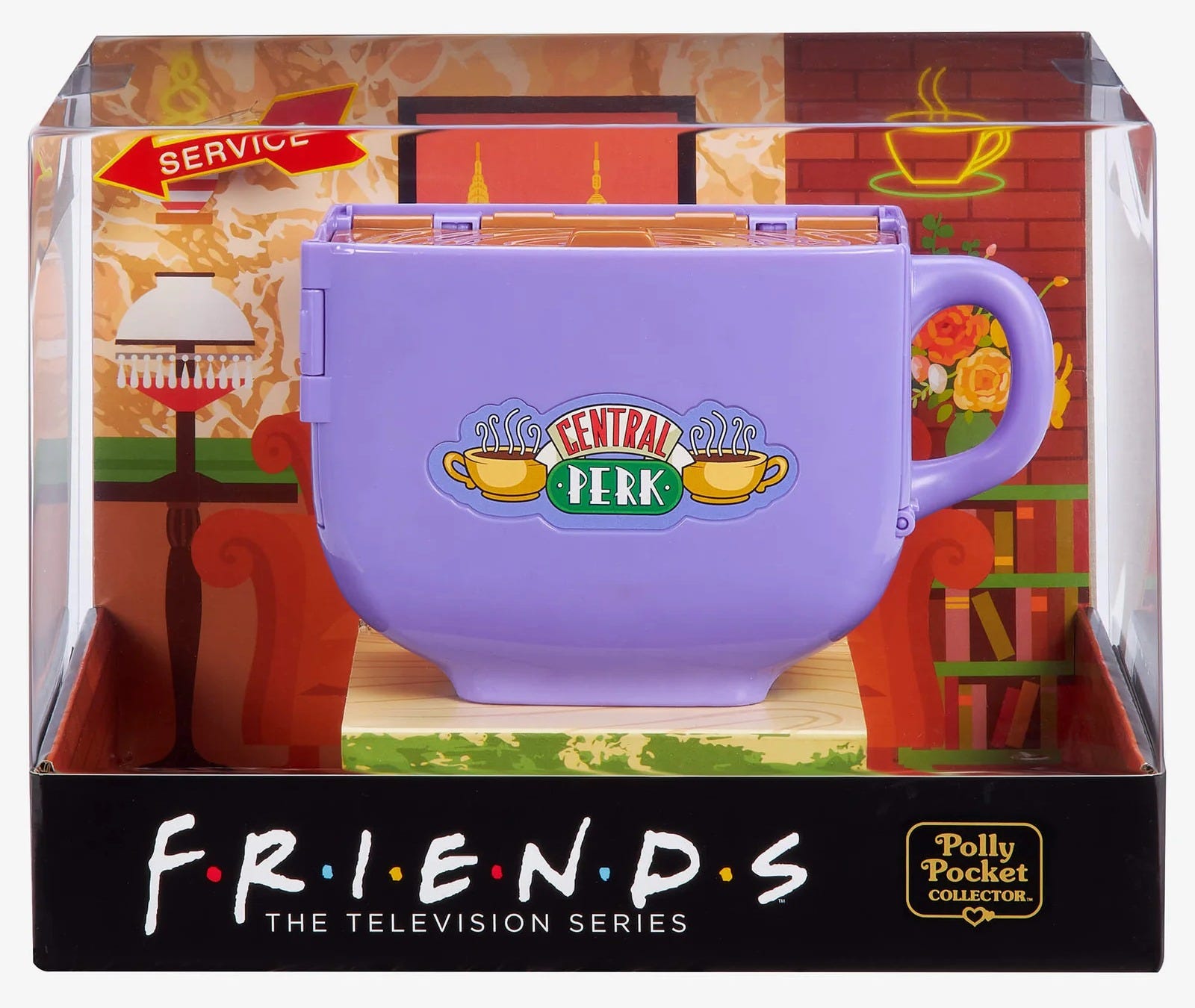
2004: TV series Friends ends its 10-year run. Its finale becomes the fourth most-watched TV episode of all time, with 52.3 million viewers tuning in. In 2024, Friends merch collabs and sales will explode in celebration of the series’ 30th anniversary.
2005: Etsy launches. Knitters, painters, and vintage collectors across the globe spin up hobby businesses from basements and studio apartments everywhere.
2005: Amazon Prime drops with free 2-day delivery across the U.S, forever changing consumer shipping expectations.
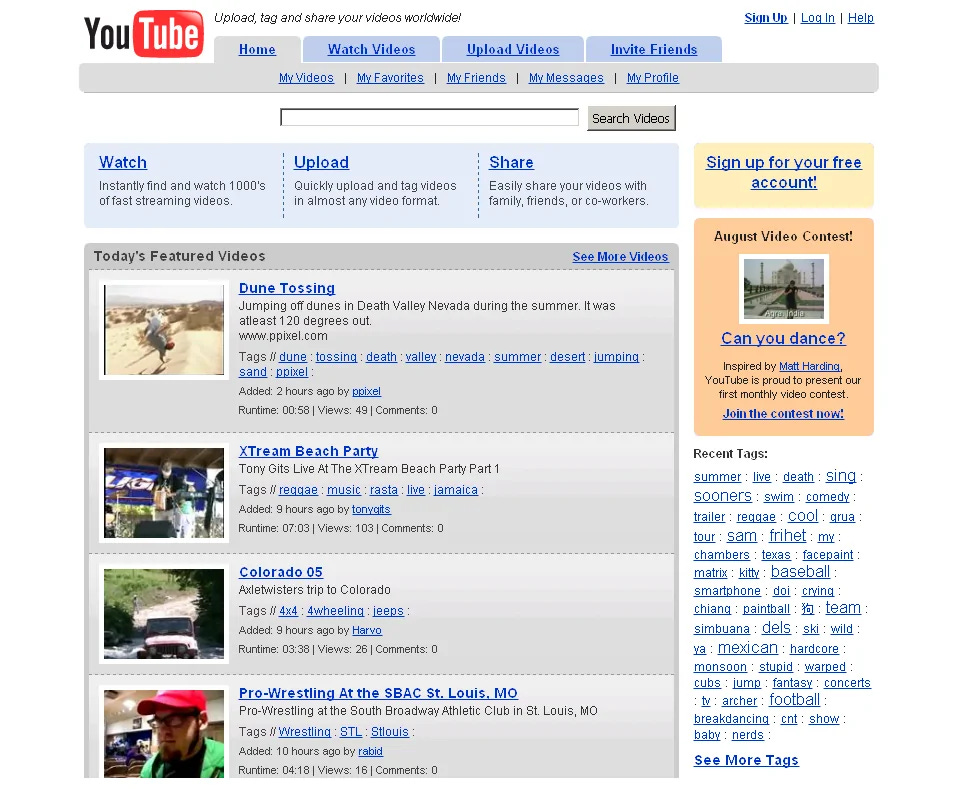
2005: YouTube goes live. Eventually the platform will establish stars like Emma Chamberlain and Mr. Beast who would both expand their personal brands into selling products.
2005: “Cyber Monday” is coined as a term after research shows that the Monday after American Thanksgiving is one of the busiest online shopping days of the year.
Democratization and deals (2006 to 2009)
Platforms like Shopify and Kickstarter change the game, making it easier than ever for anyone to start—and fund—a business. Meanwhile, influencer culture heats up: reality TV casts become household names and musicians moonlight as CEOs. The global financial crisis hits hard, inspiring a surge in couponing, flash sales, and thrift shopping.
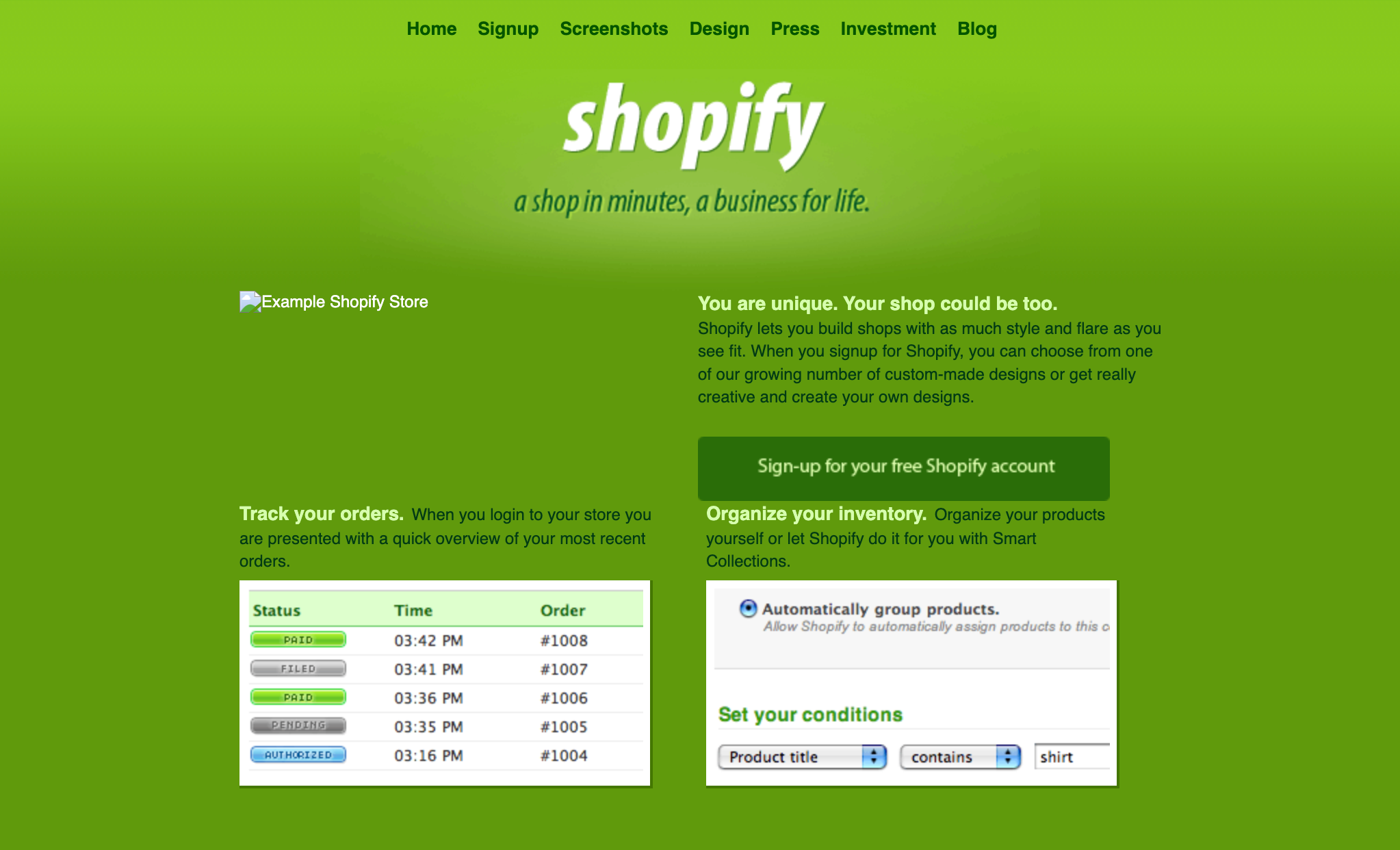
2006: Shopify is released to the world. Founder Tobi Lütke writes about that moment: “A couple of hours ago, (we) put the final touches on Shopify and launched it to the world. It’s a great feeling. We have all worked really hard to get Shopify launched and now that it is, all we want to do is start on new features to make it better. Now that’s passion.”
2006: Beats by Dre (one of the most successful celeb brands) launches. The music accessories company is later acquired by Apple.
2007: Shopify experiences its first flash sale: The Indianapolis Colts win the Super Bowl, and a local newspaper sets up a store selling t-shirts with the headline, “We WON.” The store sells 50,000 shirts in one day, almost taking down the platform.
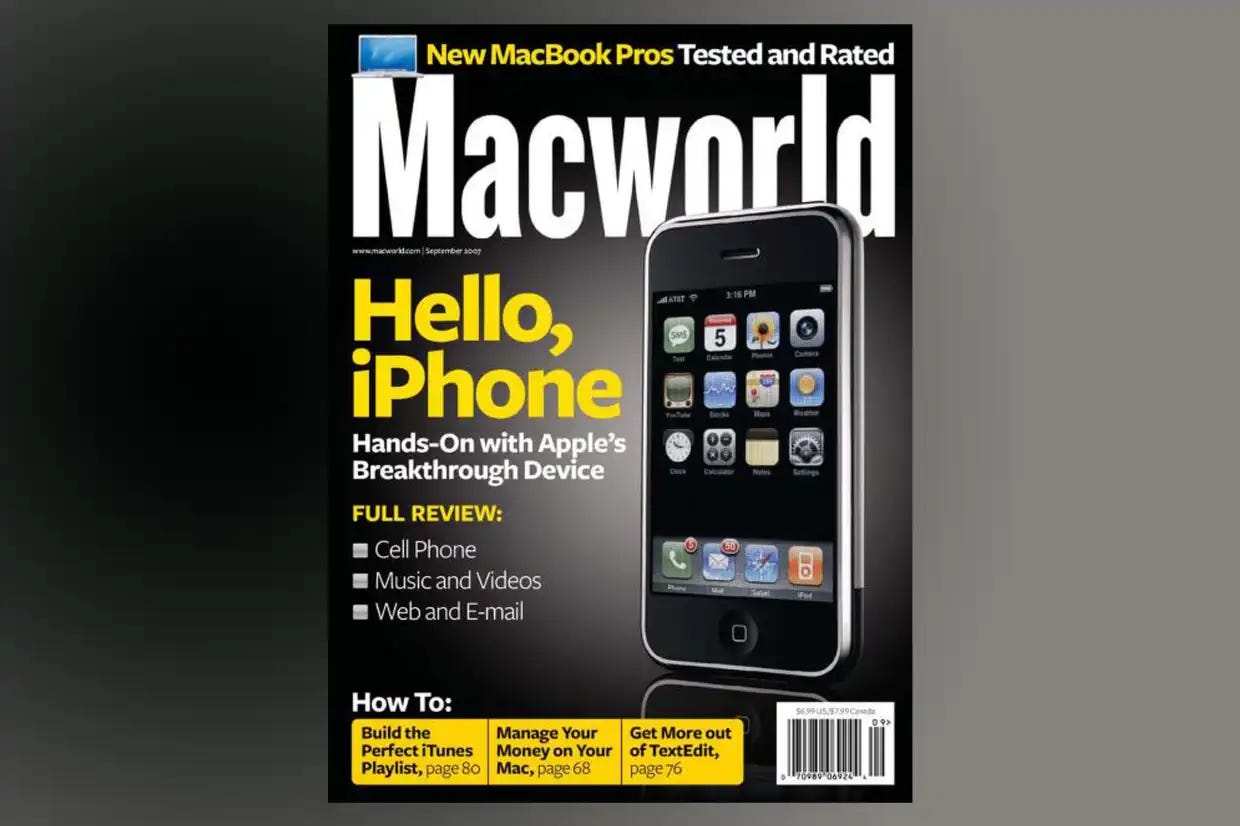
2007: iPhone is introduced to the world. By 2014, Shopify will report that mobile accounts for more online purchases than desktop.
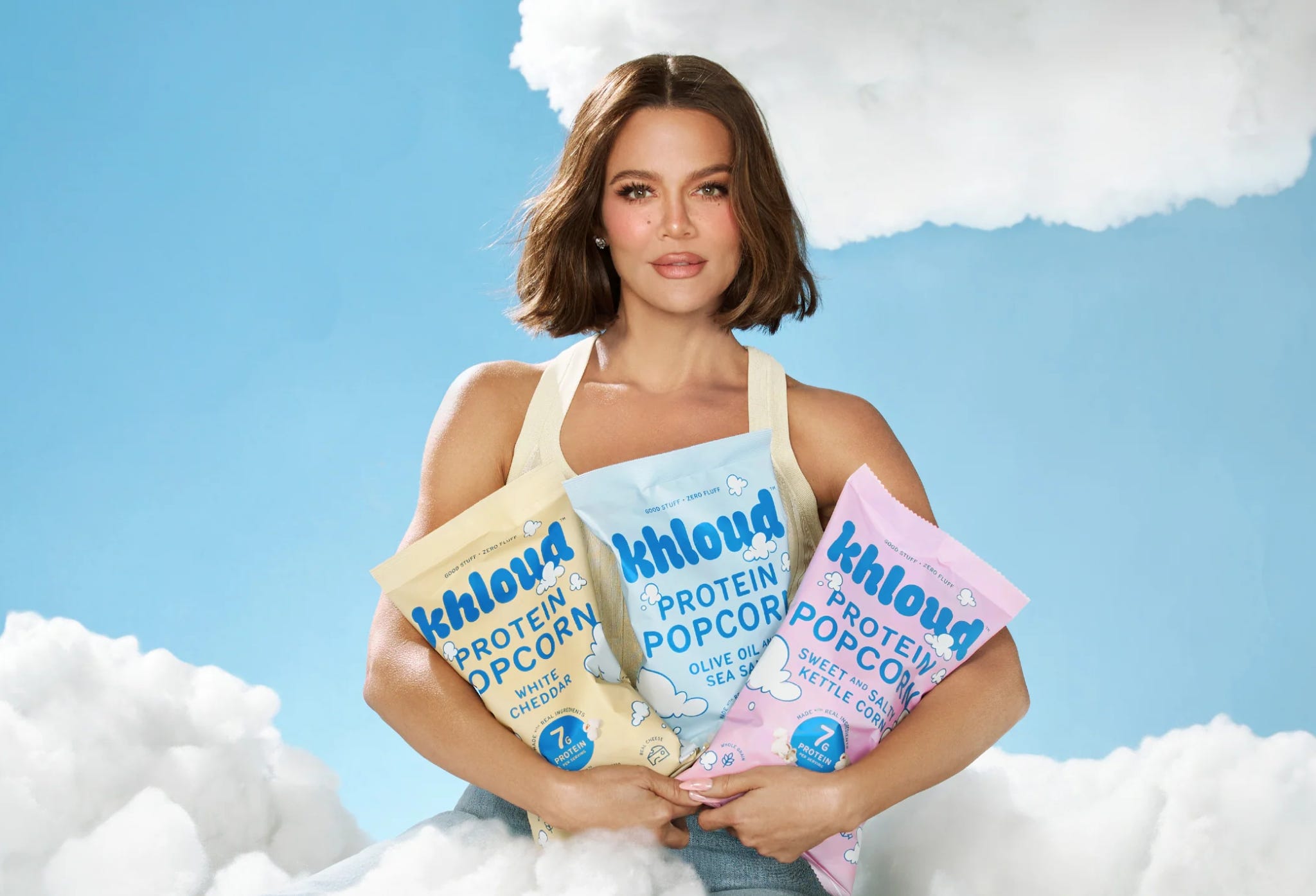
2007: Reality series Keeping up with the Kardashians debuts, arguably birthing modern influencer culture. Cast members will eventually spin up their own brands, catapulting the family from TV stars into entrepreneurship royalty. Today, brands Kylie Cosmetics, Skims, Khloud, and more all run on Shopify.
2007: Gilt, a pioneer in the luxury flash sale space, launches. Flash sales surge in popularity over the next few years with Fab.com coming online in 2011.
2007: Sephora Beauty debuts its popular Insider loyalty program. By holiday 2025, earning trust and loyalty from customers will be among the top priorities for brands.
2008: Groupon launches just as the global financial crisis hits consumers hard. “Extreme couponing” joins the chat and the term will eventually inspire a TLC TV series in 2010.
2008: Spotify presses play. The internet—and later music streaming—changes the way artists get discovered and paid. Later, ecommerce tools will become easier to use, allowing musicians to find new revenue streams outside album sales and touring. Many will sell merch through their own online stores, and even spin up new brands.
2009: Kickstarter comes online. Crowdfunding becomes a viable way for aspiring founders to finance and launch their ideas.
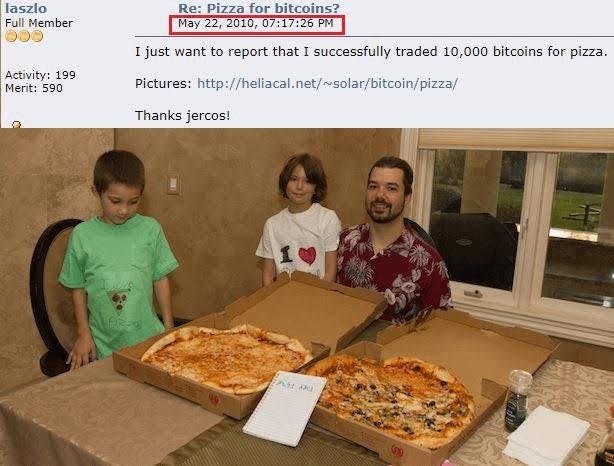
2009: Bitcoin is introduced. A year later, the first documented purchase using Bitcoin would be made by Laszlo Hanyecz for two Papa John’s pizzas and May 22nd, 2010 will forever be known as “Bitcoin Pizza Day.” By 2025, Bitcoin will be one of almost 10,000 cryptocurrencies in active circulation.
2009: The Shopify App Store opens, creating an ecosystem for third-party developers to extend Shopify functionality with apps that do everything from appointment scheduling to digital product delivery to a falling snow effect for the holidays.
2009: ThredUp launches in tandem with the latest wave of interest in thrift shopping and sustainable consumption. Like all fashion trends, this one is cyclical with spikes in the 1970s, 1990s, post-2008 global financial crisis, and again starting in 2018 as a social media phenomenon and reaction to fast fashion hauls. But maybe it never left: Later in 2024, “buy-sell-trade fashion shop” Buffalo Exchange will celebrate 50 years in business.
Merch fever and cult brands (2010 to 2019)
The celebrity brand phenomenon is everywhere with Drake, Rhianna, and Kylie Jenner all launching viral brands. Film franchises capitalize on nostalgic fandoms. And social selling removes another barrier between brands and their customers.

2010: Instagram launches with overly filtered shots of avocado toasts and latte art but would eventually become a powerful tool for brands to reach customers through “authentic” marketing via Stories and Reels.
2011: Google Wallet (now Google Pay) debuts, popularizing the concept of mobile phone payments. However, the earliest example of this dates back to the 90s when Coca-Cola set up a vending machine that accepted SMS payments.
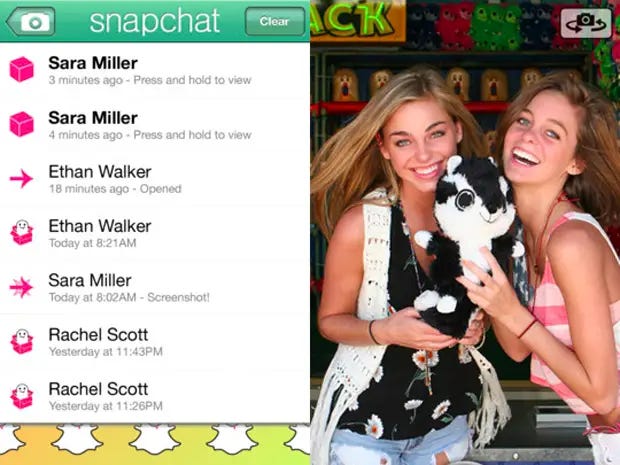
2011: Snapchat drops (fun fact: it was initially named Pictaboo). Brands will soon discover the app’s power to reach younger consumers through its ads offering.
2011: Drake’s OVO launches on Shopify becoming yet another celebrity-founded brand to hit the mainstream.
2012: Instacart comes online, pioneering on-demand grocery delivery.
2012: Encyclopedia Britannica sells its last print catalog on Shopify. It’s a hard day for the “print is not dead” contingent.
2014: Apple Pay hits the market, accelerating the use of contactless payments.
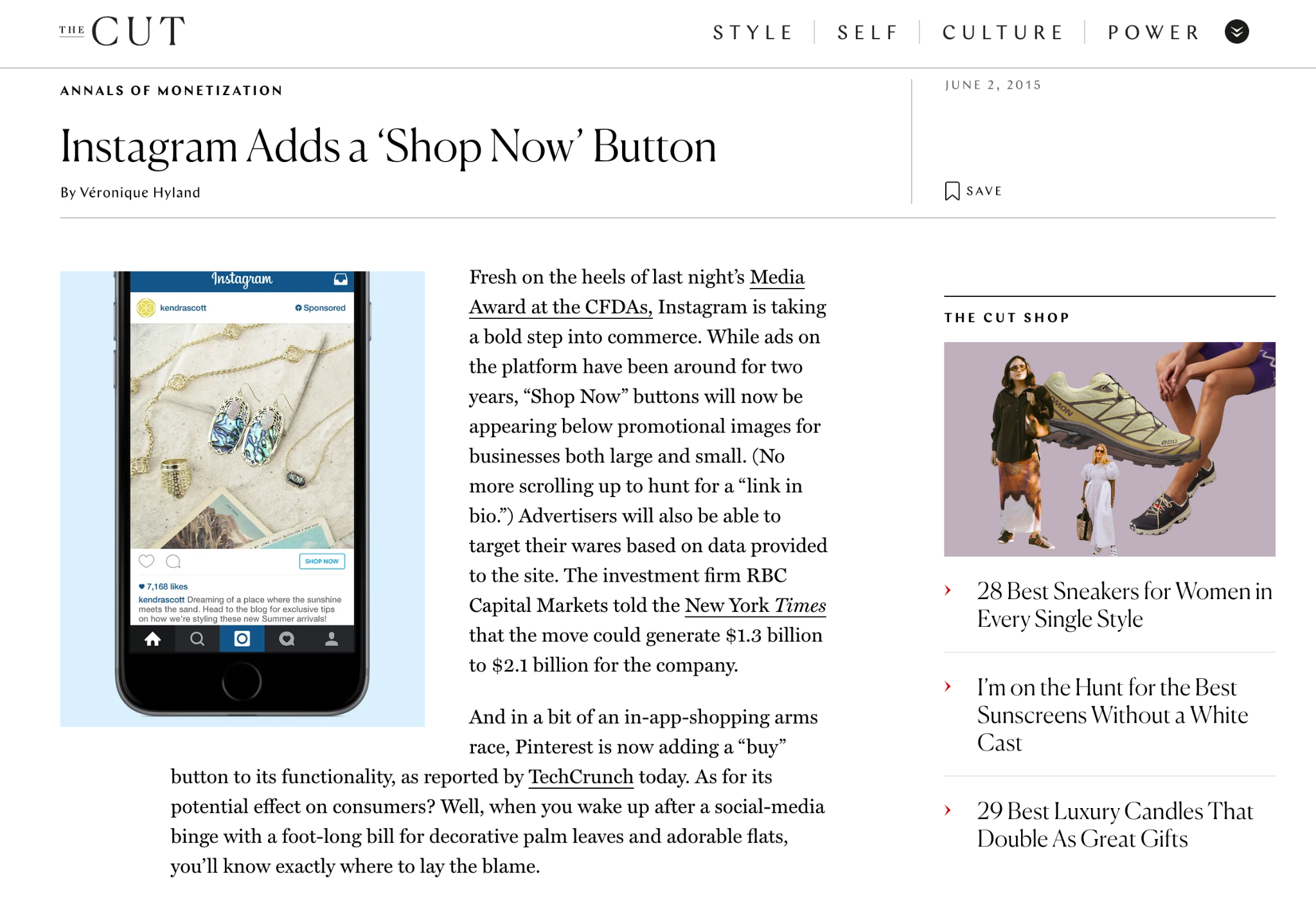
2015: Instagram launches its first “buy button” feature for select brands, which is followed by more robust “shoppable posts” in 2016 and 2018.
2015: Star Wars is back and The Force Awakens lands at the box office. Not only is it one of the highest grossing films of all time, but it revolutionalizes the movie merch game. “Force Friday,” a marketing event aligned with the film’s release, includes midnight releases of toys that have fans lining up around the block.
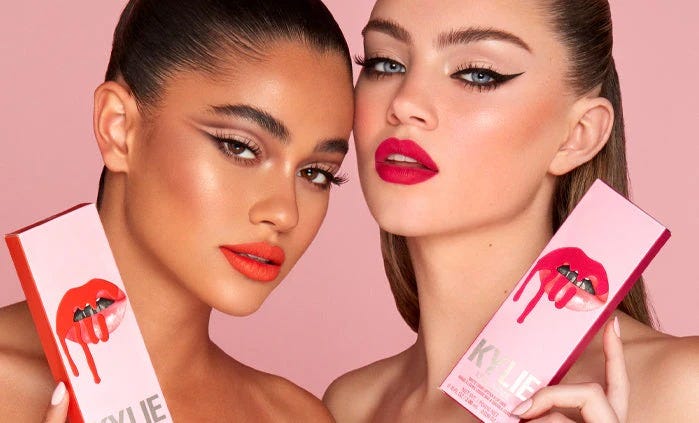
2015: Kylie Jenner’s iconic Lip Kits drop. They sell out in under 60 seconds.
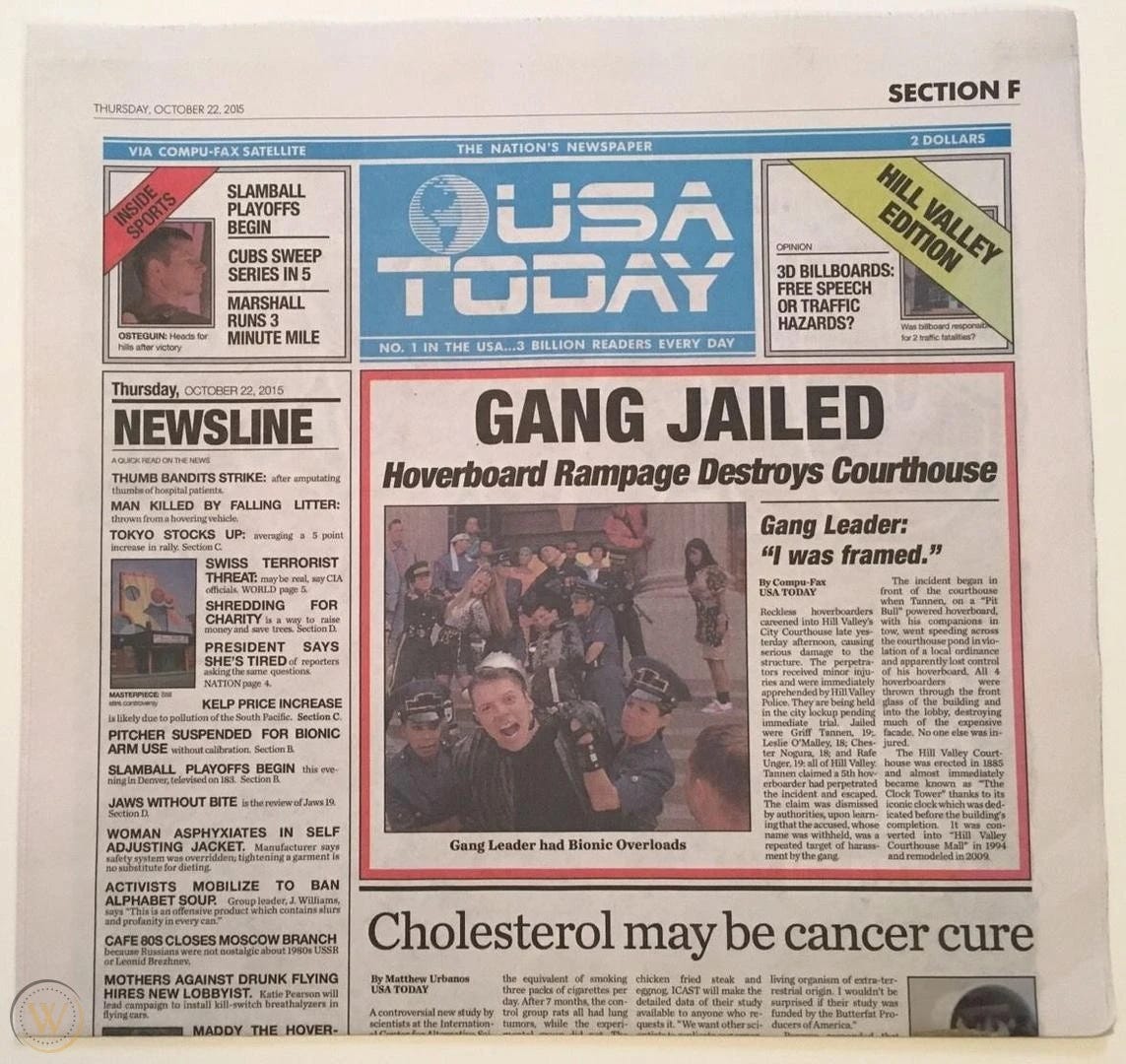
2015: October 21st is Back to the Future Day, celebrating the world catching up with Marty and Doc Brown’s future in the 1989 sequel. BTTF mania ensues, with brand collabs spanning Pepsi, Lyft, and Google. In 2025, the 40th anniversary of the original film will spawn even more McFly merch from brands like Mattel and Crocs.
2016: Unboxings peak this year, but the phenomenon is far from new. The first unboxing video—featuring a Nokia E61 cellphone—hit YouTube in 2006.
2016: Pokemon Go fever strikes with its app breaking download records. Merch sales also soar, including trading cards. But don’t call it a fad. Pokemon would later collab with BlackMilk for its kick-off collection in 2020 and subsequent collections almost every year since.
2016: TikTok launches internationally based on the app’s Chinese version, Douyin. It gains popularity among Gen Z users for its short video format and hyper-personalized algorithm. Brands flock to the app in an effort to reach young consumers. The ones that win focus on “authentic” content, rather than slick marketing.
2016: Shopify Capital is introduced to brands on the platform. By 2025, billions in funding will have been distributed to Shopify merchants.
2017: Shopify Pay (known today as Shop Pay) launches as an accelerated checkout solution.
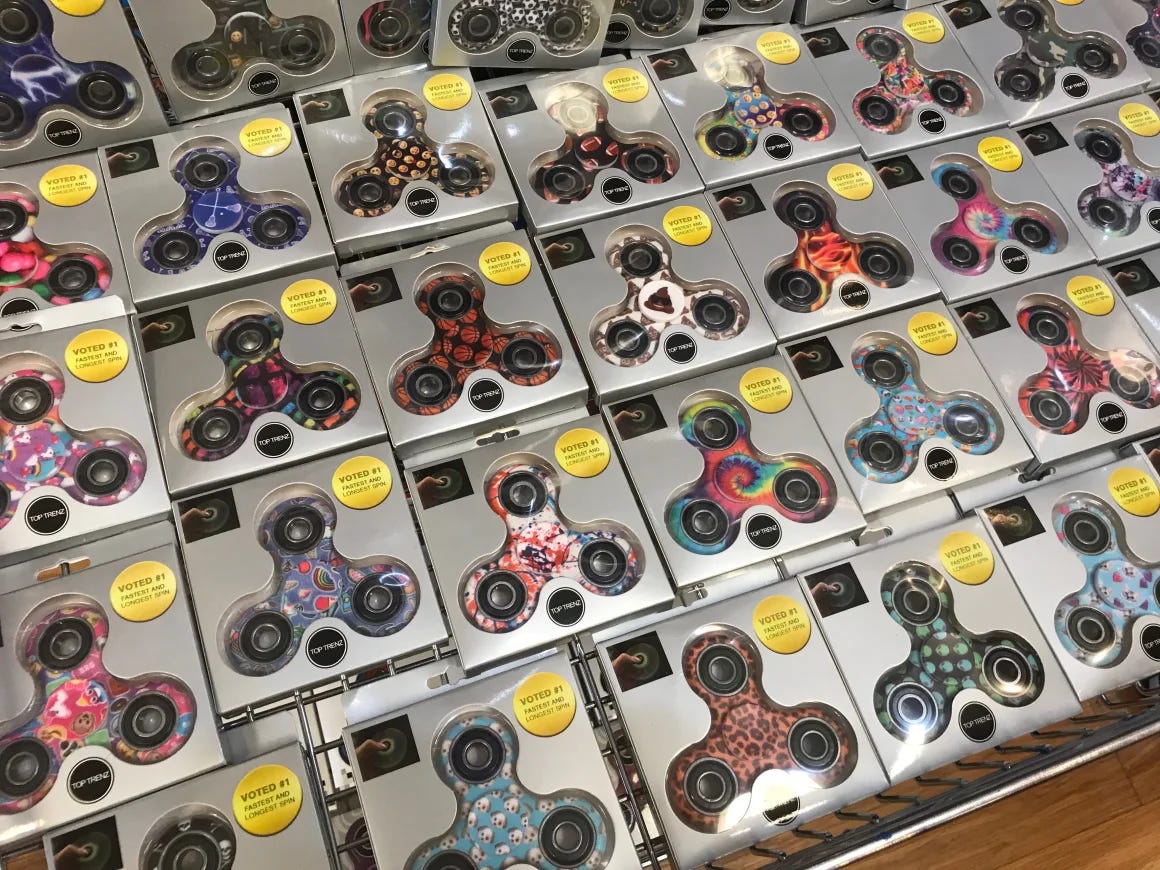
2017: Fidget spinners become the latest fad, accounting for 17% of all toy sales at their peak in May of this year. The distracting gadget is even banned at LA schools.
2017: Rhianna’s Fenty Beauty disrupts the industry by launching with 40 foundation shades, setting a standard of inclusivity for beauty brands. “Some [women] are finding their shade of foundation for the first time, getting emotional at the counter,” Rhianna tells Time. “That’s something I will never get over.”
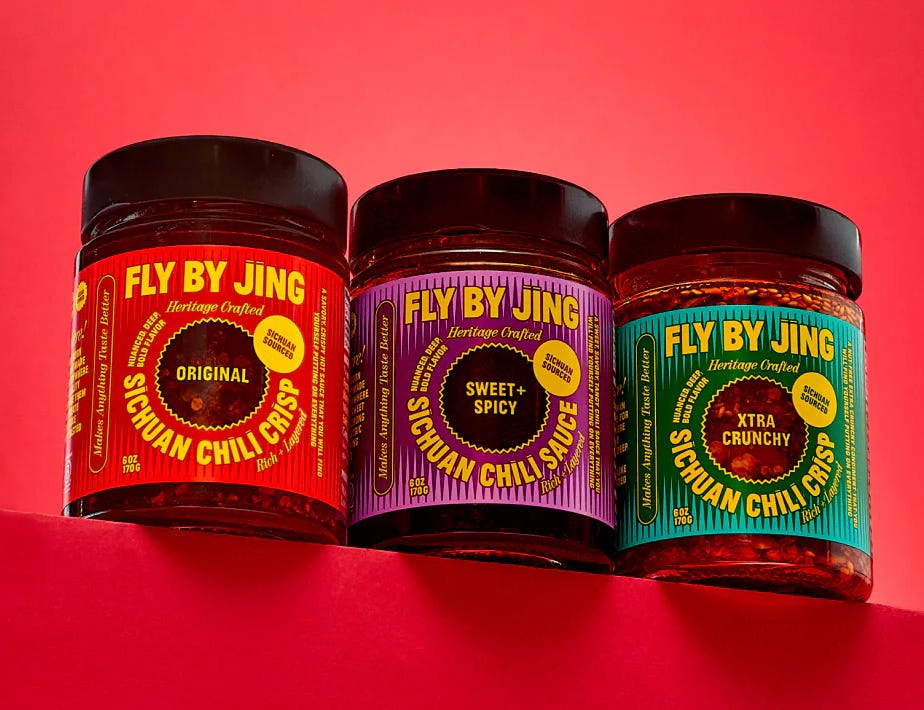
2018: Fly by Jing hits the market as a Kickstarter-to-cult-status success story, and becomes one of the earliest brands to reboot and modernize classic Asian food staples for mainstream consumers. Brands like Momofuku (launched 2013, hitting viral status 2018) and Omsom (launched 2020) round out this movement that shows no signs of stopping.
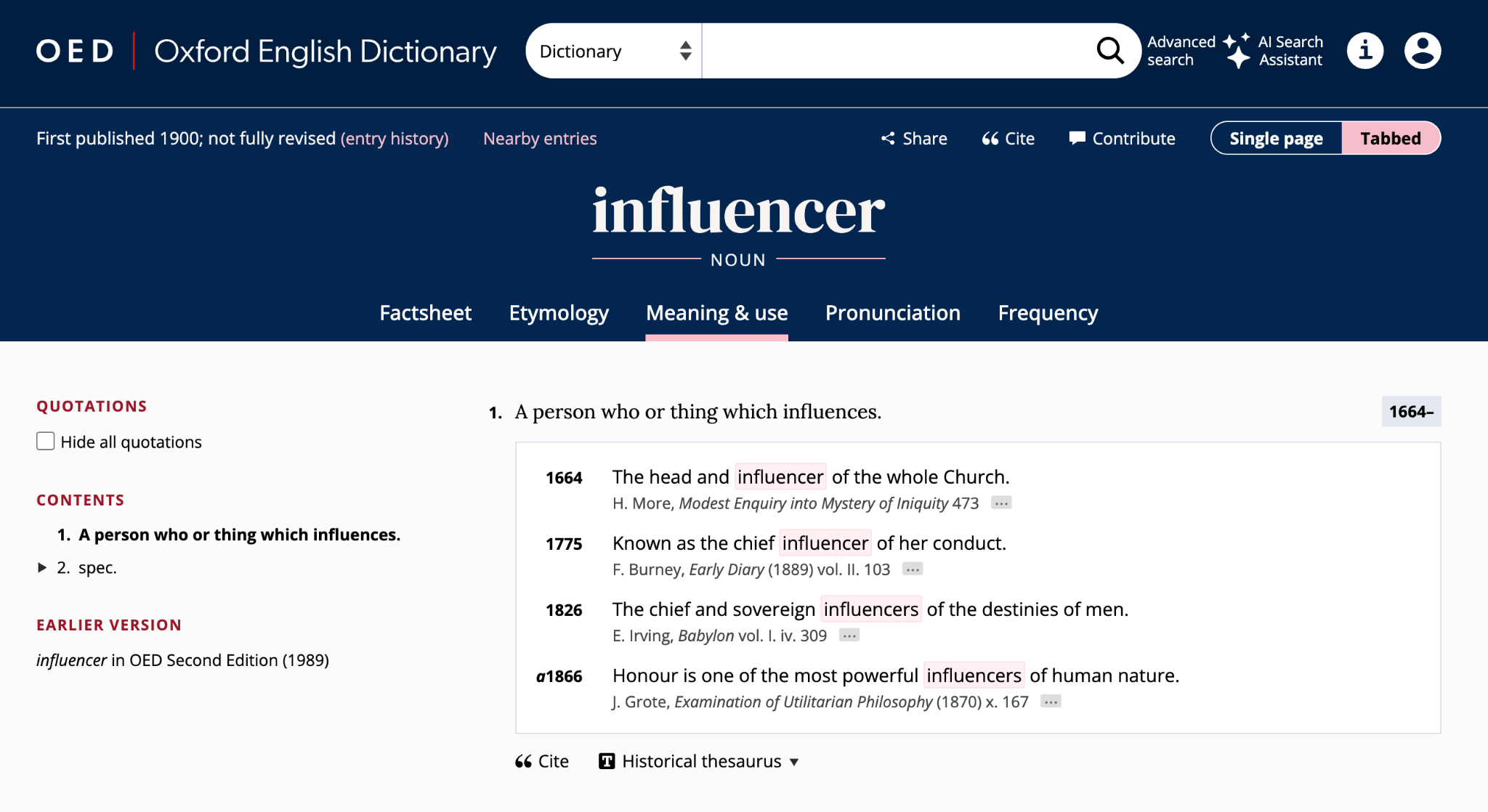
2019: The term “influencer” and its modern definition is added to the Oxford English Dictionary and the Merriam-Webster dictionary. Its history, though, stretches back to Shakespeare!
“The new normal” (2020-2025)
Social selling hits an all-time high. Films like Wicked and Barbie drive conversation—and merch sales—while a global pandemic changes everything.
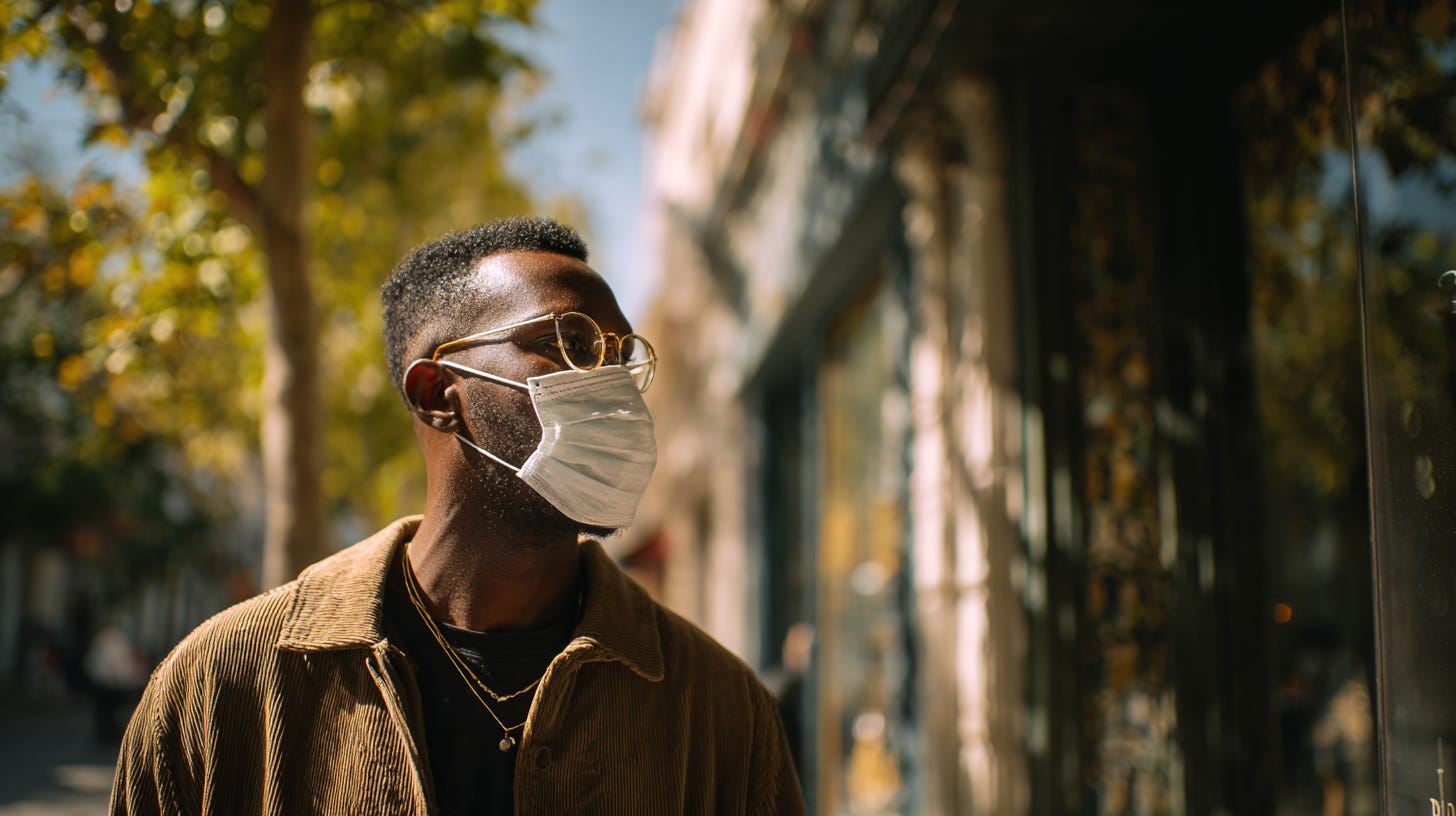
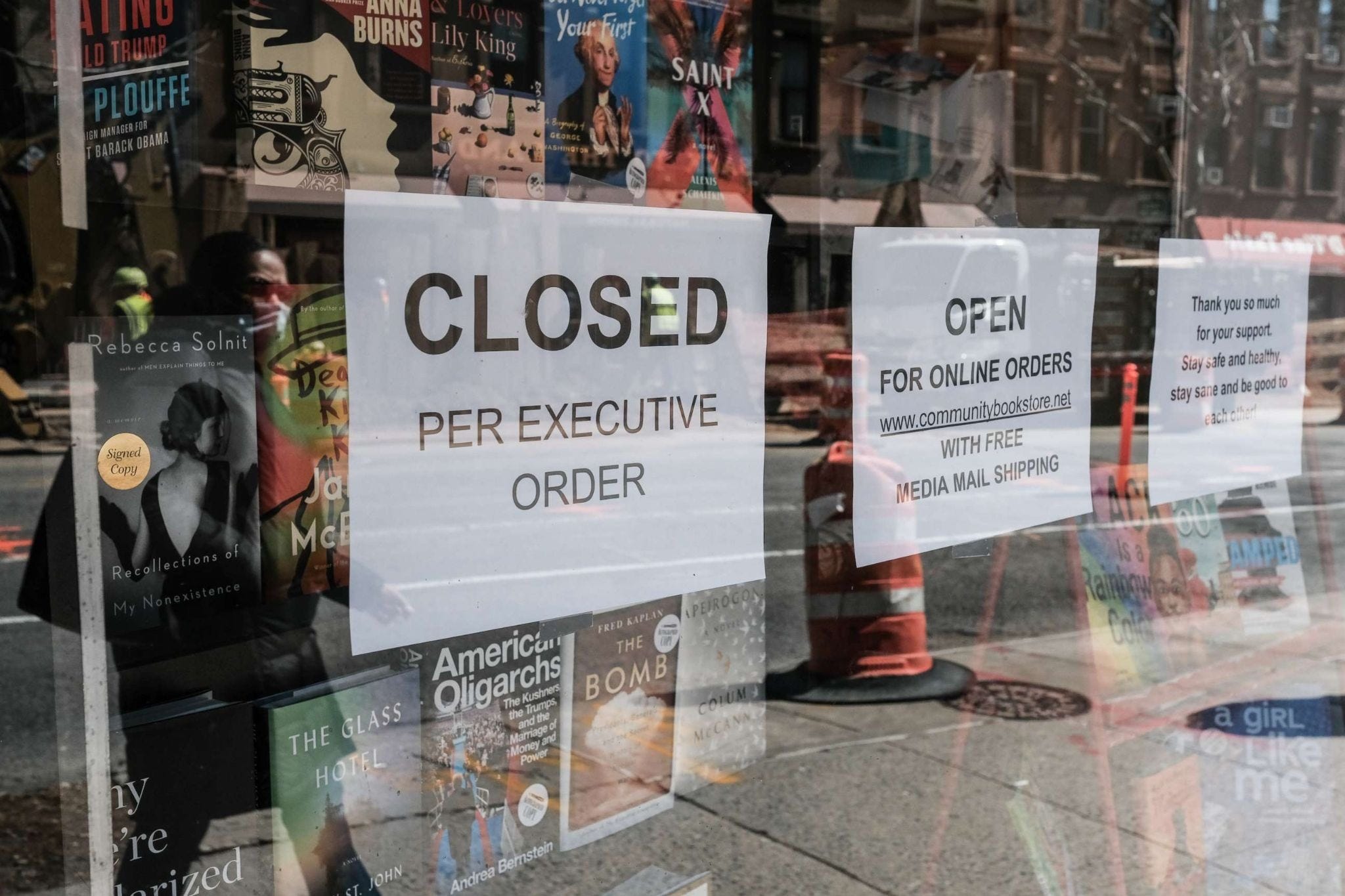
2020: COVID-19 devastates global supply chains and ultimately changes everything about the way we shop and interact. Brick and mortar retailers and restaurants go online, curbside pick-up picks up, and stay-safe product sales surge. On Shopify, hand sanitizers and wipes are up 1387% YOY*, medical masks 661%, and air purifiers 443%. But all is not lost: The world experiences an unexpected entrepreneurship boom.
2021: Seven Shopify merchants go public via IPOs: oatmilk pioneer Oatly, healthcare apparel brand FIGS, Flow water, A.K.A. Brands fashion portfolio, haircare innovator Olaplex, Vita Coco coconut water, and footwear brand Allbirds. These DTC brands—spanning food, fashion, and beauty—highlight Shopify’s power in scaling businesses to Wall Street success.
2021: Shopify launches its buy now, pay later product, Shop Pay Installments.
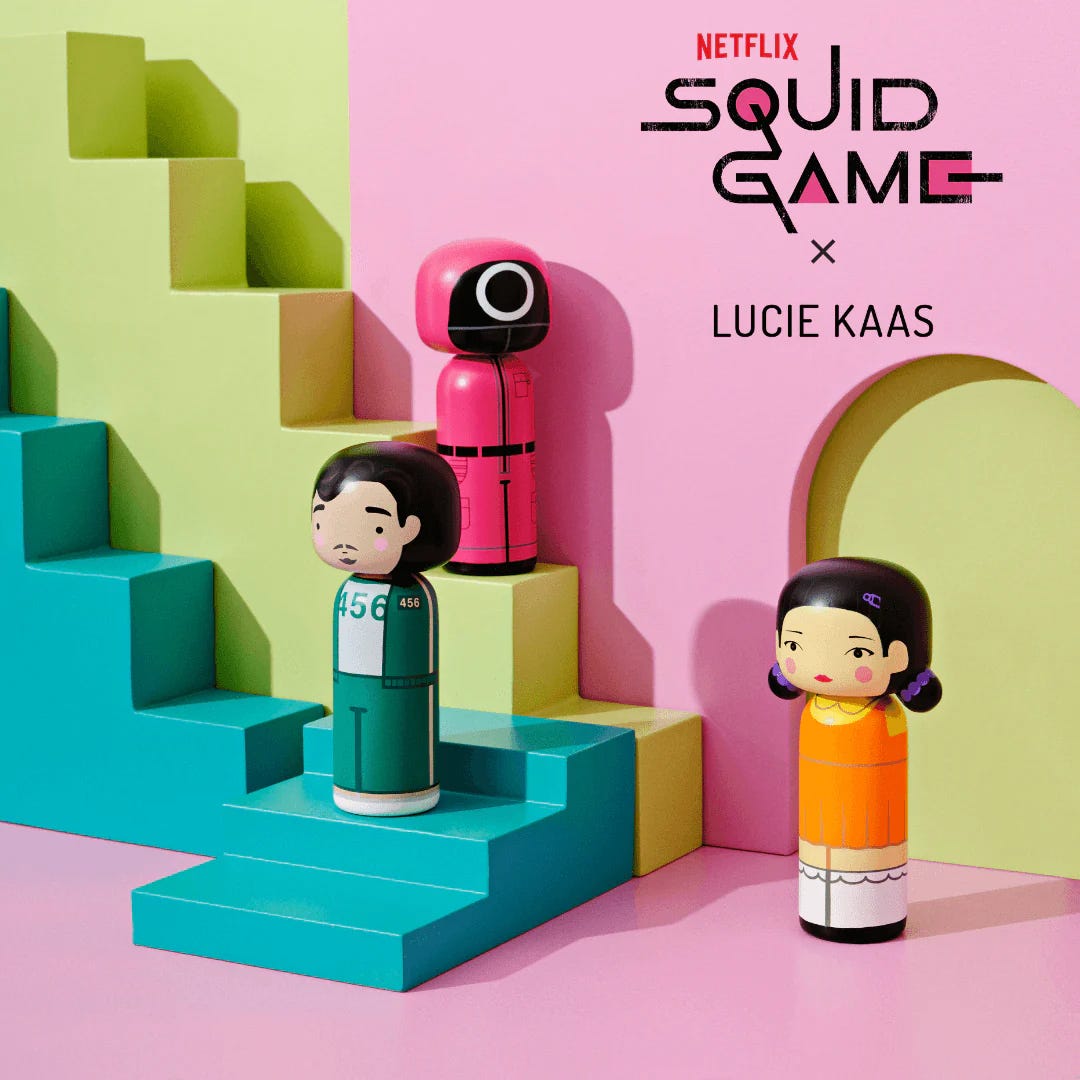
2021: Squid Game premieres globally on Netflix, taking the world by storm. Sales for white slip-on Vans sneakers, like those worn in the show, spike 7,800% after the show’s debut and Netflix announces a merch partnership with Wal-Mart. Alongside Parasite (2019) winning Academy award for best picture and KPop Demon Hunters (2025) becoming Netflix’s most-watched original movie ever, the Korean TV and film industry cements itself as a global powerhouse.
2022: OpenAI launches ChatGPT, a generative AI chatbot, hitting 100M users in two months. It is widely credited with accelerating the AI boom.
2022: MrBeast’s Feastables hit stores, selling over 1 million bars in 72 hours.
2023: Shopify launches Sidekick, an AI-powered assistant for merchants, because “every hero needs a sidekick.”
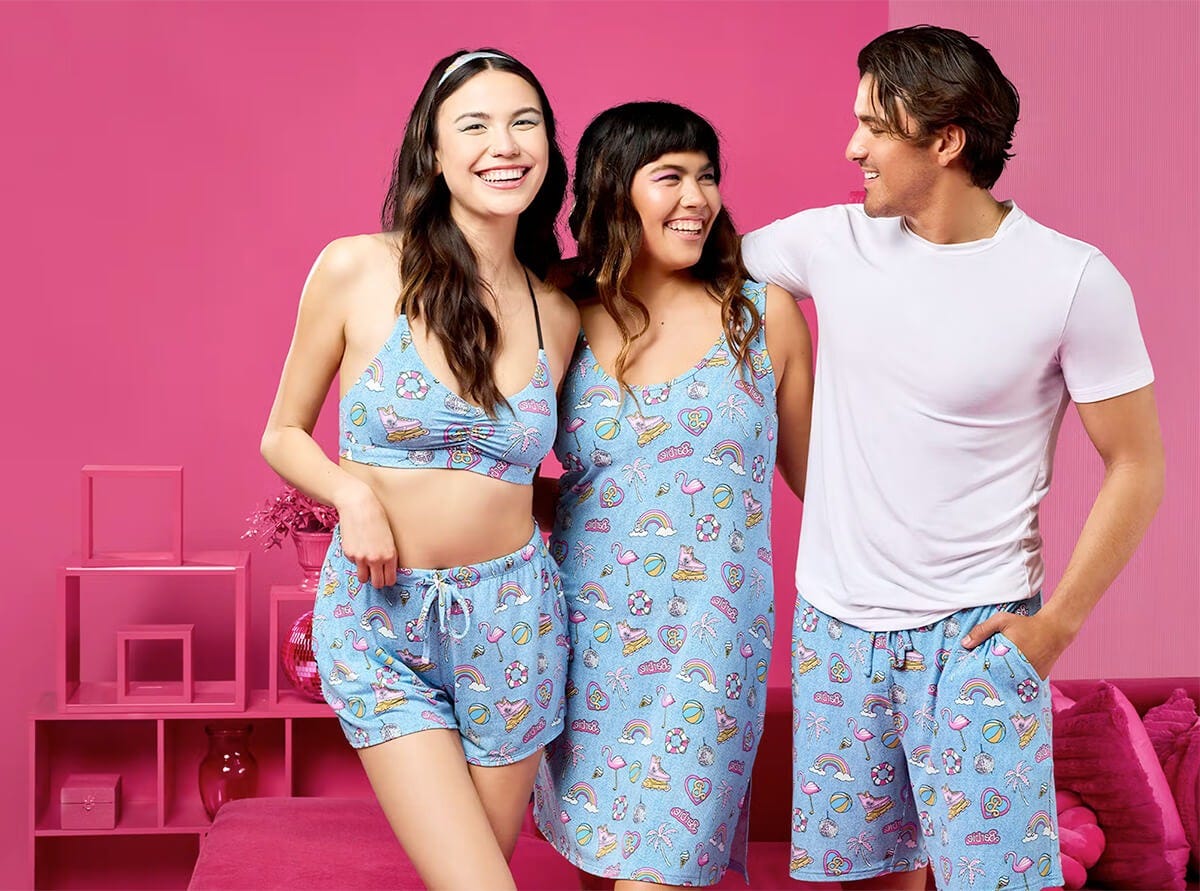
2023: The Barbie movie, the highest grossing film of the year, creates a cultural moment sparking conversation about identity and feminism while inspiring “Barbiecore” fashion aesthetic and countless social media memes. The film’s launch is a masterclass in marketing with over 100 brand partnerships including Barbie-inspired collections from Ruggable, MeUndies, and Homesick Candles.
2023: Taylor Swift’s Eras Tour becomes the first concert tour to gross over $2 billion, doubling the previous record and creating economic impact in the cities it visits. The tour’s influence is so significant that the Federal Reserve acknowledges Swift’s concerts in its June 2023 Beige Book.
2023: Buy Now Pay Later hits the mainstream with $16.6 billion in holiday purchases made using BNPL plans, a 14% increase YOY.
2024: The Wicked movie unleashes 400+ brand partnerships across the two-film franchise. Collabs include Beis, Gap, Lego, and a themed collection with Ariana Grande’s r.e.m Beauty.
2024: TikTok Shop’s gross sales top $1 billion monthly.
2025: Beyoncé’s Cowboy Carter era triggers a massive surge in Western wear, with cowboy boot sales skyrocketing across all price points. The cultural shift spans luxury brands and independent designers seeing unprecedented demand for fringe and Americana aesthetics. Chicago-based western wear brand Maya James sees orders jump 3,100% following the tour announcement.
2025: Shopify announces merchants can now accept USDC stablecoins from customers globally.
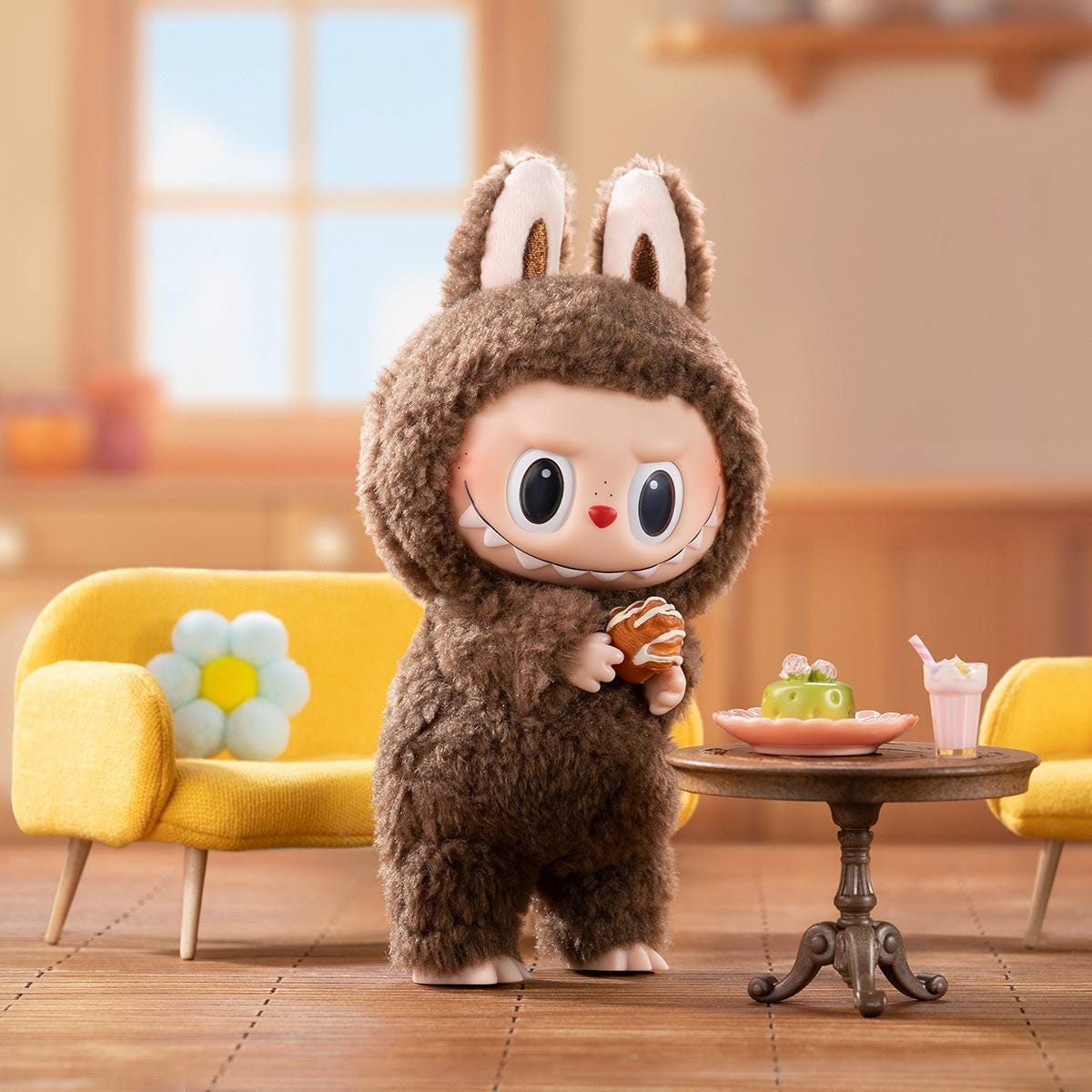
2025: Labubu mania ensues contributing to a 1,200% increase in sales in the US for the toy’s maker, Pop Mart. These little monster dolls join the leagues of toy crazes before them—Cabbage Patch Kids in the 80s and Beanie Babes in the 90s—inspiring resale price surges, cheap knock-offs, and in-store brawls.
2025: Netflix’s KPop Demon Hunters becomes the platform’s most-watched original movie ever. By Halloween 2025, costumes inspired by the film’s characters become the top-selling designs globally.
2025: Shopify launches agentic commerce allowing buyers to shop from hundreds of millions of Shopify merchant products inside AI chats. The platform also partners with OpenAI to bring native shopping to ChatGPT.
And here we are. As I slide into 2026, I’m experiencing a bit of whiplash. How did 25 years pass so quickly? And how did so much change happen in such a short time? Today, I am one of those with actual stakes (though you might still find Destiny’s Child on my Spotify Wrapped) and this time, I’m paying attention.
What cultural moments did I miss in this timeline? What are your predictions for the Next Big Thing?
From all of us at In Stock, thank you for subscribing! Happy New Year!
*January 1, 2020 - December 31, 2020 U.S % growth